Tracing Network Pathways in Global Wagering Data Ecosystems Through Advanced Mapping Techniques
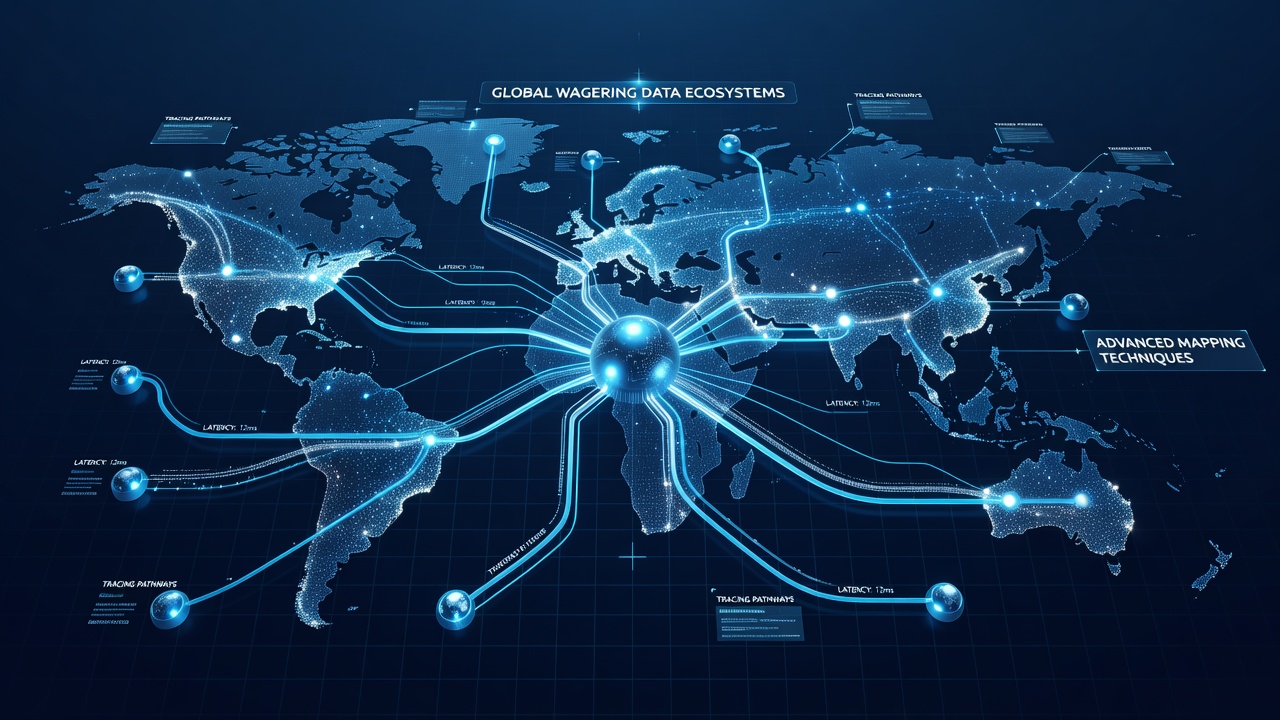
Advanced mapping techniques now allow analysts to trace data flows through the intricate networks that underpin global wagering ecosystems, and these methods reveal how information moves between operators, regulators, and third-party services across multiple jurisdictions. Researchers apply graph-based algorithms and spatial mapping tools to identify patterns that traditional linear analysis often misses, while the scale of data generated by online betting platforms continues to expand each year. Data from international sources shows that wagering transactions cross borders daily, creating pathways that require specialized tools to monitor effectively.
Core Components of Wagering Data Ecosystems
Wagering data ecosystems consist of interconnected nodes that include betting operators, payment processors, regulatory databases, and user interfaces, and each node generates streams of information that flow through shared protocols. Mapping these components requires techniques that account for both structured records like transaction logs and unstructured elements such as user interaction timestamps. Experts at organizations focused on digital infrastructure have noted that the volume of data points increases significantly during peak betting periods, which creates denser network clusters that advanced algorithms can segment for closer examination.
Geographic distribution adds another layer, since operators based in one region often route data through servers located elsewhere, and this routing affects how pathways appear under different mapping lenses. Studies conducted by research institutions in Australia and Canada demonstrate that latency patterns and encryption layers serve as reliable markers for tracing origin points within these systems. Those who examine these flows regularly observe that certain hubs emerge repeatedly, acting as convergence points for multiple data streams.
Techniques Used in Advanced Mapping
Pathway tracing relies on a combination of network topology analysis, machine learning classifiers, and temporal sequencing methods, and practitioners combine these approaches to reconstruct routes that data packets take through wagering platforms. One established method involves embedding nodes in multi-dimensional space so that proximity reflects actual connection strength rather than simple geographic distance. This embedding process highlights clusters where high-frequency betting activity coincides with rapid data exchange between entities.
Another technique applies recursive filtering to isolate primary pathways from secondary noise, and the results allow analysts to distinguish between legitimate operational traffic and anomalous patterns. Research teams working with European data repositories have documented cases where such filtering reduced the time required to map a full transaction chain from days to hours. Visual outputs generated by these tools often display layered graphs that update dynamically as new data arrives, giving observers a live view of shifting connections.
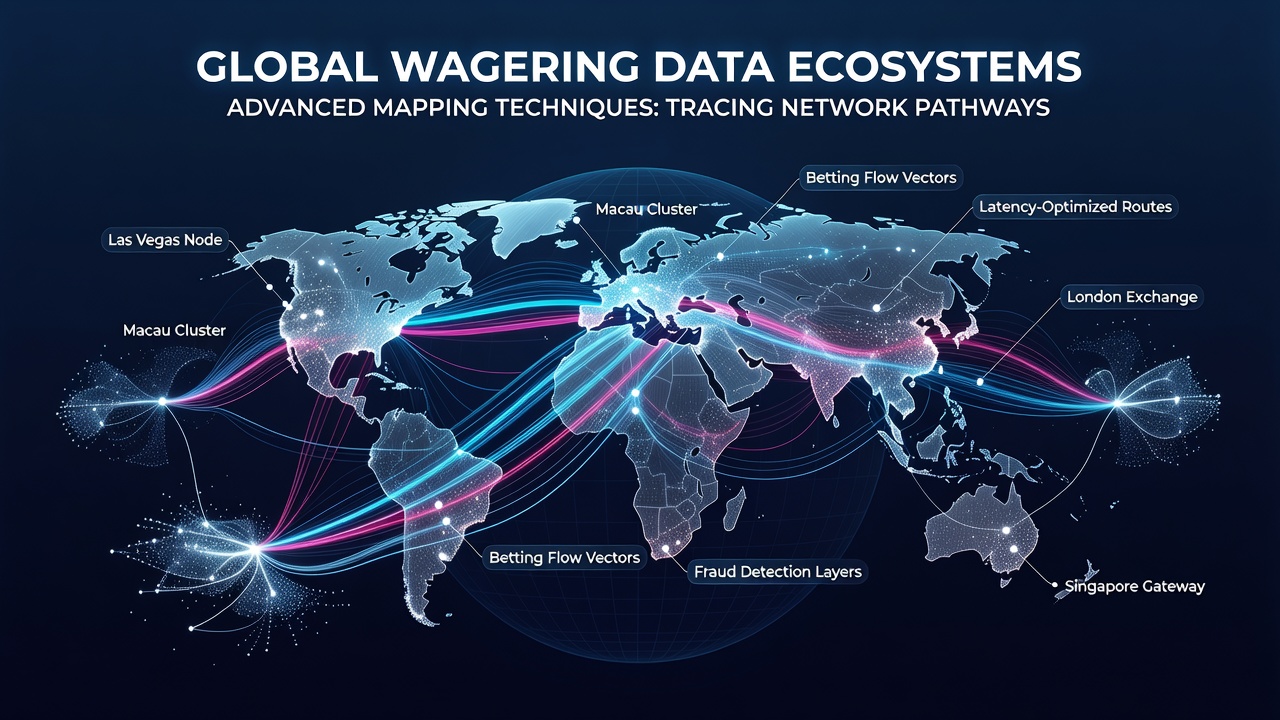
Applications Across Regulatory and Operational Contexts
Regulatory bodies in various regions utilize these mapping outputs to verify compliance with reporting requirements, and the visualizations help identify whether operators maintain accurate records of data movement across their networks. In June 2026 several oversight agencies plan coordinated reviews that will incorporate updated mapping datasets to assess cross-border information handling practices. Such reviews build on earlier pilot programs that successfully flagged discrepancies in transaction reporting through pathway reconstruction.
Operators themselves apply similar techniques to optimize internal data routing, and the resulting efficiency gains appear in reduced processing times for bonus calculations and account updates. Industry reports from North American and Asian trade groups indicate that companies adopting advanced mapping report measurable improvements in synchronization between front-end user experiences and back-end reconciliation systems. The same datasets also support academic inquiries into broader questions about information propagation in high-volume transactional environments.
Integration With Existing Data Infrastructure
Many wagering platforms already maintain relational databases and API endpoints that feed into mapping frameworks, and integration occurs through standardized export formats that preserve metadata about timing and origin. This compatibility reduces the need for custom development while ensuring that mapped pathways reflect real operational conditions rather than simulated ones. Observers note that platforms using open data standards achieve faster adoption of new mapping modules compared with those relying on proprietary formats.
Security considerations remain central throughout the integration process, since mapped pathways contain sensitive details about user activity and financial transfers. Encryption applied at the mapping stage helps maintain confidentiality while still permitting aggregate analysis across large datasets. Research from university-led projects in Scandinavia and Singapore has explored methods for anonymizing node identities without losing the structural information required for accurate pathway reconstruction.
Conclusion
Advanced mapping techniques continue to evolve alongside the growth of global wagering data ecosystems, and the combination of algorithmic approaches with established data infrastructure provides clearer visibility into how information travels across borders and between entities. As regulatory reviews scheduled for June 2026 approach, the outputs from these mapping efforts supply evidence that supports both compliance verification and operational refinement. Continued development in this area depends on sustained collaboration between technical researchers, industry participants, and oversight organizations working across different geographic regions.