Tracing Interconnections Among International Casino Review Platforms Through Sophisticated Data Linkage Methods
Theo Richter · Jul 31, 2026
Tracing Interconnections Among International Casino Review Platforms Through Sophisticated Data Linkage Methods
International casino review platforms maintain extensive databases that track operator performance, licensing details, and user feedback across multiple jurisdictions, and sophisticated data linkage methods allow these systems to connect records that originate from separate sources. Researchers in data science have documented how entity resolution techniques match company names, license numbers, and domain registrations even when the information appears in different languages or formats. Data from regulatory filings in Canada and Australia shows that platforms routinely cross-reference entries to reduce duplication while preserving accuracy in aggregated reports.
Core Techniques Behind Cross-Border Linkage
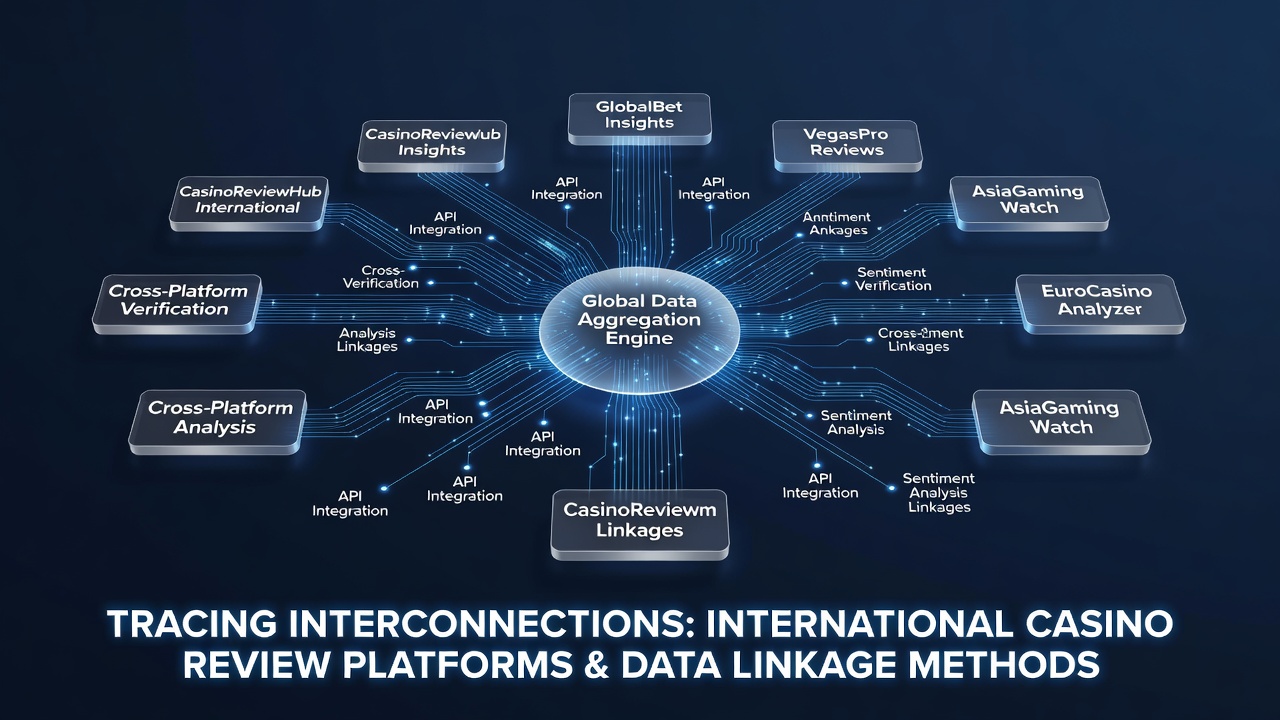
Entity resolution forms the foundation of most linkage operations, and algorithms compare attributes such as registration dates, physical addresses, and payment processor identifiers to determine whether two records describe the same casino operator. Probabilistic matching assigns scores to potential matches, after which human reviewers or automated thresholds confirm connections. Graph-based structures further organize these relationships so that one platform can trace how a single operator appears across review sites in Europe, Asia, and North America.
API integrations supplement internal matching processes, while secure data-sharing agreements between review networks enable periodic synchronization of updated licensing status. Observers note that these exchanges often occur on standardized schedules, and timestamps attached to each record help maintain version control. In July 2026 several major platforms completed a coordinated update round that aligned licensing data from the Isle of Man and Malta regulators with entries already stored in North American databases.
Regional Data Sources and Integration Patterns
Review platforms draw primary information from government licensing portals and secondary sources such as court records and financial disclosures. A study published by the Canadian Gaming Association outlines how operators licensed in multiple provinces generate overlapping data points that linkage systems must reconcile. Similar patterns appear in reports from the Australian Communications and Media Authority, where state-level approvals feed into national review aggregators.
Those who maintain these systems report that language translation layers and currency normalization steps precede the actual matching process, and standardized taxonomies for game types and bonus structures improve consistency. When discrepancies surface, platforms flag the records for manual inspection rather than forcing an automated link. This approach has reduced error rates in aggregated rankings, according to figures released by industry research groups.
Practical Applications in Platform Operations
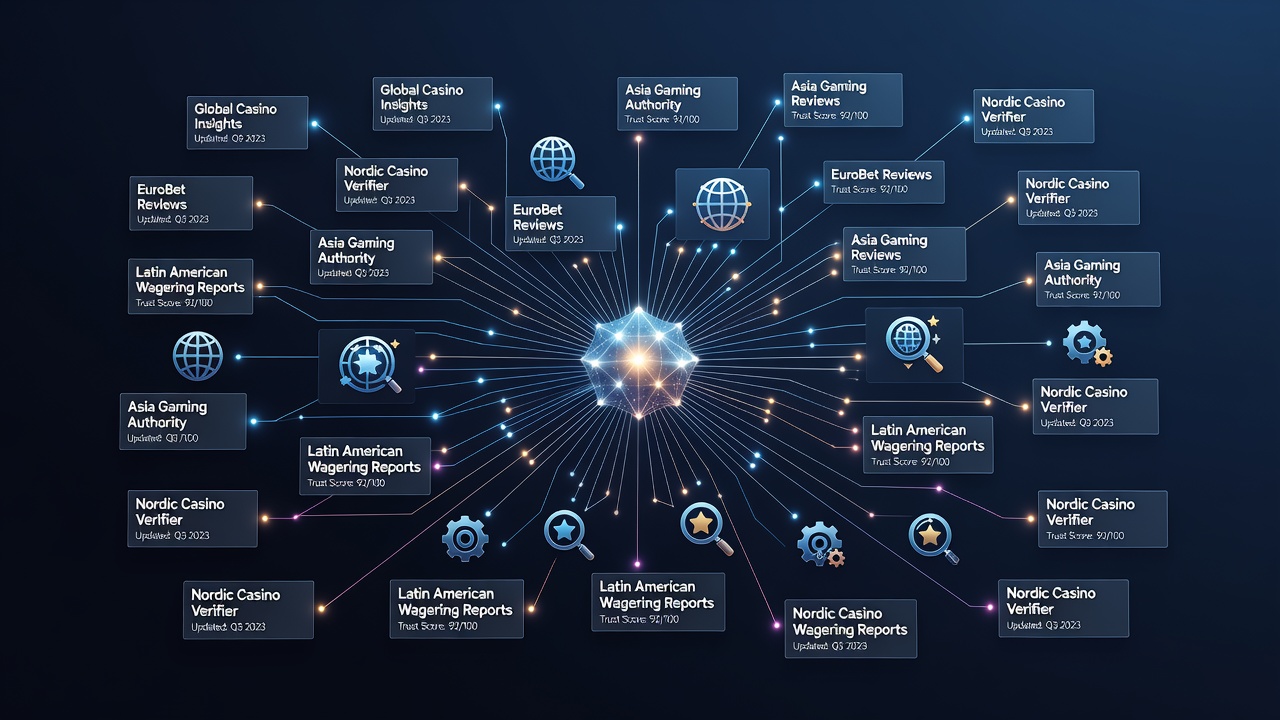
Once records are linked, review sites can generate unified operator profiles that display licensing history, complaint volumes, and payout verification status from every jurisdiction in which the operator holds a license. Analysts at research institutions have examined how these consolidated views support comparative studies of regulatory effectiveness. Platforms also use the connections to propagate corrections, so an update issued by one licensing body reaches all connected review entries within hours rather than days.
Network analysis tools reveal clusters of operators that share ownership structures or payment processors, and these clusters help platforms identify potential conflicts of interest in review coverage. Data scientists at several universities have published papers describing the application of community detection algorithms to such graphs, and the resulting maps assist compliance teams in monitoring cross-border activity.
Challenges and Mitigation Strategies
Data privacy regulations in different regions impose restrictions on the types of information that platforms may share, and linkage projects must therefore operate within consent frameworks and anonymization protocols. Technical teams address these constraints by hashing sensitive identifiers before transmission and by limiting the attributes included in shared datasets. Observers have documented cases where incomplete linkage occurred because certain jurisdictions withheld fields required for high-confidence matching.
Scalability remains an ongoing concern as the number of licensed operators grows, yet distributed computing frameworks now handle the volume of comparisons required. Regular audits of linkage accuracy, conducted by independent research organizations, provide benchmarks that platforms use to refine their algorithms.
Conclusion
Sophisticated data linkage methods enable international casino review platforms to maintain coherent, cross-referenced datasets despite differences in regulatory environments and data formats. Continued refinement of entity resolution, graph analysis, and secure exchange protocols supports more reliable aggregation of operator information across borders. As regulatory bodies release additional digital records, the precision and coverage of these interconnected systems are expected to expand further.