Securing Remote Access Protocols for Maintaining Integrity in Worldwide Wagering Evaluation Systems
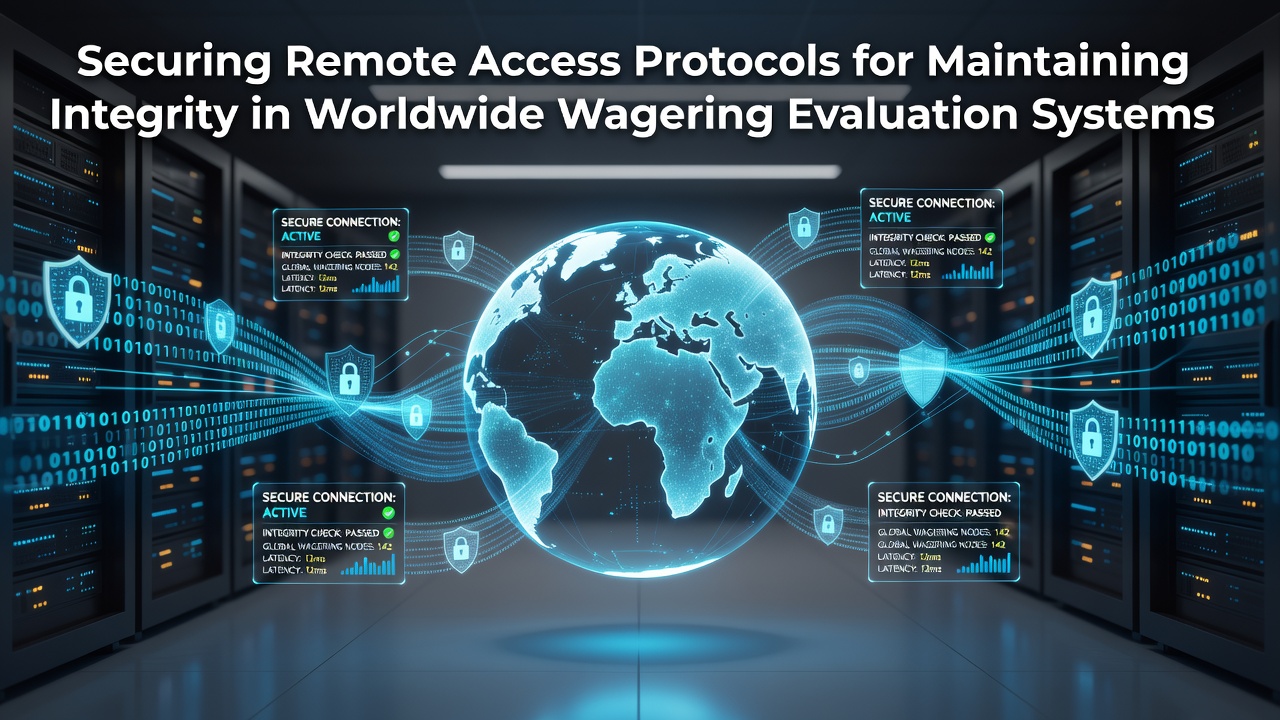
Worldwide wagering evaluation systems rely on remote access protocols to connect analysts, regulators, and technical teams across multiple continents while preserving data accuracy and preventing unauthorized changes to betting assessments. These systems aggregate performance metrics from online platforms, track regulatory compliance, and generate reports used by operators and oversight bodies alike, and any compromise in remote connections can alter evaluation outcomes or expose sensitive transaction records. Organizations maintain integrity through layered protocol controls that combine encryption standards, authentication mechanisms, and continuous monitoring rather than relying on single-point defenses.
Core Protocol Choices and Their Implementation
IPsec and TLS-based VPN configurations form the backbone for many evaluation networks because they establish encrypted tunnels that shield traffic between field offices and central databases, and researchers note that these setups reduce exposure during data transfers involving live odds calculations or compliance audits. SSH protocols handle administrative tasks on evaluation servers with key-based authentication replacing password methods, which limits brute-force risks in environments where teams in Asia and Europe access the same infrastructure simultaneously. RDP sessions receive additional hardening through network-level authentication and session recording features, allowing oversight teams to review access logs after events such as the protocol updates discussed at industry gatherings in June 2026.
Multi-factor authentication integrates with each protocol to verify user identity through hardware tokens or biometric checks before granting entry, and this approach aligns with guidelines from bodies including the Australian Transaction Reports and Analysis Centre. Observers note that zero-trust architectures further segment access so that even authenticated remote users receive only the minimum privileges needed for specific evaluation tasks, preventing lateral movement if one account becomes compromised.
Global Regulatory Alignment and Monitoring Practices
Regulatory frameworks across regions require documented controls for remote access in wagering data environments, with the Malta Gaming Authority emphasizing audit trails that capture every protocol session involving financial integrity checks. Canadian provincial regulators similarly mandate encryption levels and access reviews that match international standards, creating consistency for systems evaluating cross-border betting operations. Continuous log analysis tools flag unusual patterns such as access attempts from unexpected geolocations or protocol downgrade attempts, enabling rapid response before evaluation datasets suffer alteration.
Encryption Standards and Key Management
Current deployments favor AES-256 encryption combined with perfect forward secrecy to protect session keys even if long-term credentials face exposure, and this configuration appears in technical specifications shared by the European Gaming and Betting Association. Key rotation schedules occur automatically at intervals defined by risk assessments, while hardware security modules store private keys separately from application servers to reduce single-point failure risks. Teams responsible for worldwide systems often deploy certificate pinning on client devices so that remote connections reject certificates from unapproved authorities, adding another verification layer during evaluations conducted in June 2026 and beyond.

Incident Response and Continuous Improvement
When anomalies surface in access logs, response teams isolate affected segments without disrupting ongoing evaluations, and documented procedures from organizations such as the International Association of Gaming Regulators guide these containment steps. Regular penetration testing simulates remote attacks against protocol configurations, revealing weaknesses before malicious actors exploit them, and findings feed into quarterly updates that adjust firewall rules or authentication thresholds. Training programs ensure remote users recognize phishing attempts targeting protocol credentials, since human factors remain a primary vector even with strong technical controls in place.
Data from multiple regulatory submissions indicate that systems incorporating these combined measures experience fewer integrity incidents than those using basic remote desktop access alone. Integration with graph-based monitoring tools allows analysts to visualize connection pathways across global nodes, highlighting potential bottlenecks or unusual routing that could signal tampering attempts during live wagering assessments.
Conclusion
Securing remote access protocols requires coordinated application of encryption, authentication, segmentation, and monitoring tailored to the demands of worldwide wagering evaluation. Regulatory alignment across jurisdictions supports consistent practices while technical standards evolve to address emerging threats. Organizations that maintain detailed access records and conduct periodic reviews sustain the integrity of evaluation outputs used by operators and oversight entities globally.