How Backend Database Queries Streamline Content Synchronization Across International Wagering Information Networks
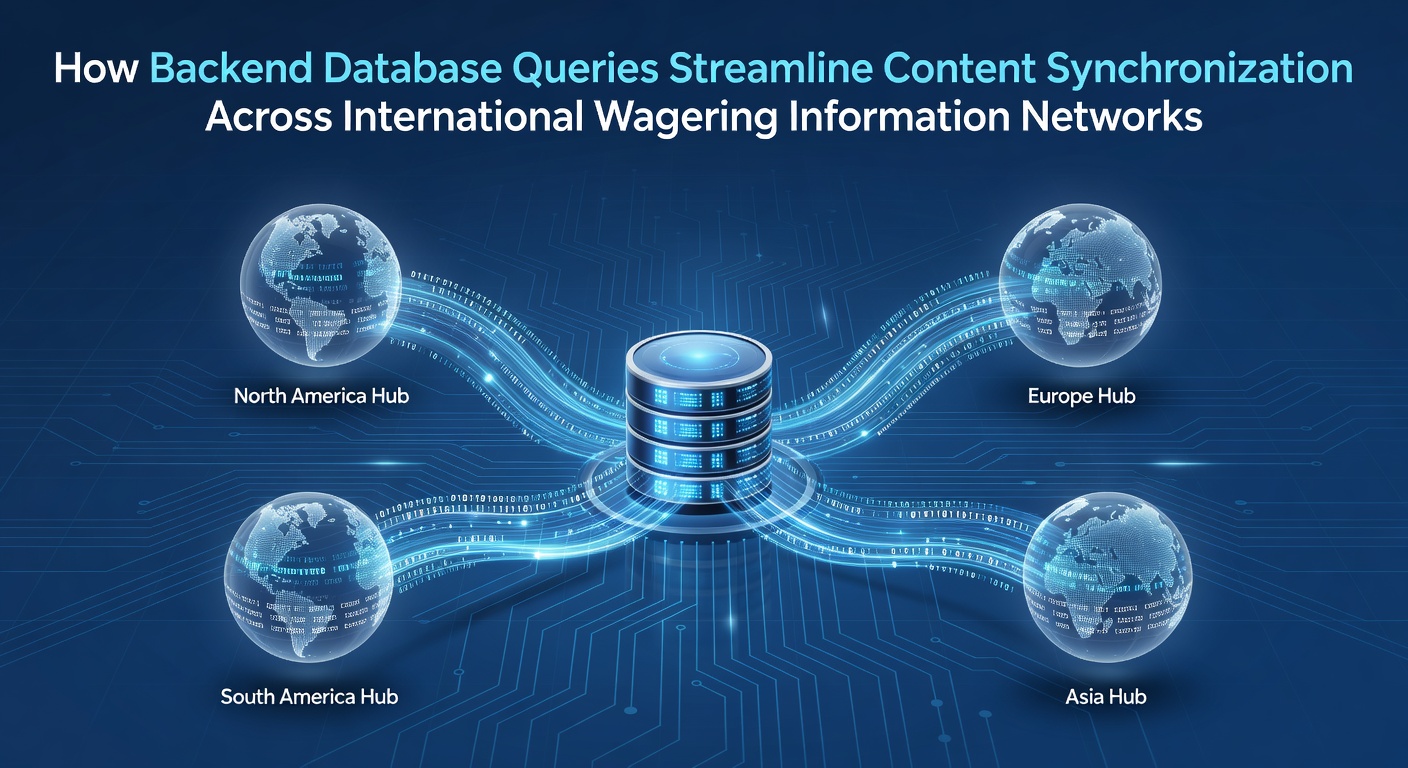
International wagering information networks rely on backend database queries to manage the constant flow of odds, results, and regulatory updates that arrive from multiple jurisdictions at once, and these queries enable synchronization by pulling structured data from distributed servers while maintaining consistency across time zones and regulatory boundaries. Systems handle millions of transactions daily, so developers design queries that batch updates, resolve conflicts through timestamp comparisons, and push validated content to edge caches without interrupting live feeds.
Core Components of Wagering Data Networks
Networks span operators in North America, Europe, and Asia-Pacific regions, each feeding proprietary databases that store event-specific details such as horse race outcomes, sports scores, and casino game payouts. Researchers at institutions like the Canadian Gaming Association have documented how central repositories use indexed tables to accelerate retrieval, allowing queries to filter by region, sport, or time window in milliseconds rather than scanning entire datasets. This architecture supports both high-volume reads during peak betting periods and targeted writes when new regulations take effect.
Query Optimization Techniques
Developers apply indexing strategies, materialized views, and stored procedures to reduce latency, while partitioning tables by geographic zone prevents one region's heavy traffic from slowing queries originating elsewhere. Data indicates that incremental synchronization—where only changed records move between nodes—cuts bandwidth usage by substantial margins compared with full dataset transfers, and observers note that this approach proves especially useful when networks incorporate feeds from emerging markets in Latin America or Africa. Conflict resolution algorithms compare incoming records against existing ones using unique identifiers and last-modified timestamps, ensuring that the most recent regulatory adjustment or odds shift prevails without manual intervention.
Synchronization Protocols in Practice
Queries run on schedules that align with event calendars, pulling fresh data every few seconds during live matches or every few minutes for slower-changing categories like lottery draws, and they integrate with message queues that buffer updates during network congestion. One documented implementation at a multi-jurisdictional operator shows how SQL-based triggers automatically flag records for replication once a new result enters the primary database, after which secondary nodes execute lightweight SELECT statements to confirm receipt and apply changes locally. The process maintains audit trails that satisfy compliance requirements from bodies such as those in Australia and the European Union, where data retention rules differ yet must coexist within the same network.
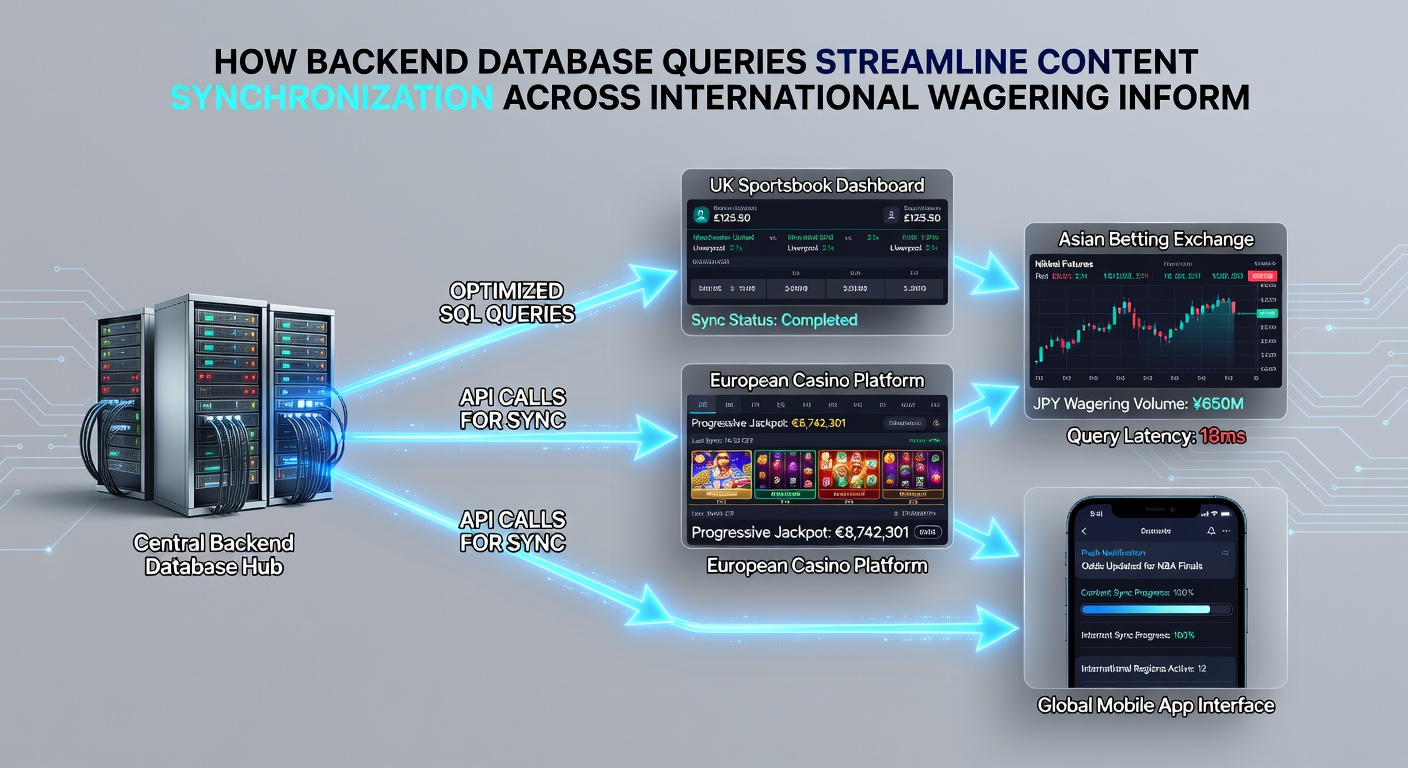
What's interesting is how these systems adapt when a major tournament or regulatory announcement occurs; queries scale horizontally by distributing load across read replicas, while write operations route through a primary node that enforces consistency before broadcasting deltas. Industry reports from sources including the Australian Gambling Research Centre highlight measurable reductions in data lag when organizations adopt these query patterns, particularly during simultaneous events across hemispheres.
Handling Regulatory and Geographic Variations
Each jurisdiction imposes distinct formatting rules for displaying odds or disclosing responsible gambling messages, so backend queries incorporate conditional logic that selects the appropriate template or data subset based on the requesting location. For instance, a single event record might return different payout structures to Canadian versus Asian endpoints, and the database layer manages these variations through view definitions rather than duplicating entire tables. Studies from academic centers in Canada demonstrate that this method reduces storage overhead while preserving the ability to generate compliance reports on demand through targeted aggregate queries.
Performance Metrics and Scaling
Network operators track query execution times, replication lag, and cache hit rates as key indicators, with benchmarks showing sub-second synchronization for most content types when proper indexing and connection pooling are in place. During high-demand periods such as championship finals, systems add capacity through cloud-based read replicas that execute the same parameterized queries without altering the core dataset. Data from multi-site deployments reveals that automated failover mechanisms reroute queries to alternate nodes within seconds of detecting latency spikes, preserving service continuity across borders.
Emerging Developments Scheduled Through 2026
Industry groups plan technical workshops for June 2026 focused on standardizing query interfaces that accommodate real-time regulatory feeds from additional jurisdictions, and early pilots already test vector-based indexing to accelerate similarity searches across historical betting patterns. These initiatives build on existing practices that have already demonstrated reliable synchronization across continents, with emphasis on energy-efficient query execution as data volumes continue to grow.
Conclusion
Backend database queries form the operational backbone that keeps international wagering information networks aligned, delivering consistent content to operators and users regardless of location or regulatory environment. Through optimized indexing, incremental updates, and location-aware logic, these systems manage complexity at scale while meeting compliance demands from varied authorities. Continued refinement of query patterns supports the expanding scope of global wagering data without compromising speed or accuracy.