From Static Pages to Live Feeds: WordPress Developers Deploy AJAX Endpoints and XML-RPC for Evolving Casino Directories
From Static Pages to Live Feeds: WordPress Developers Deploy AJAX Endpoints and XML-RPC for Evolving Casino Directories
The Shift from Static Pages to Dynamic Casino Directories
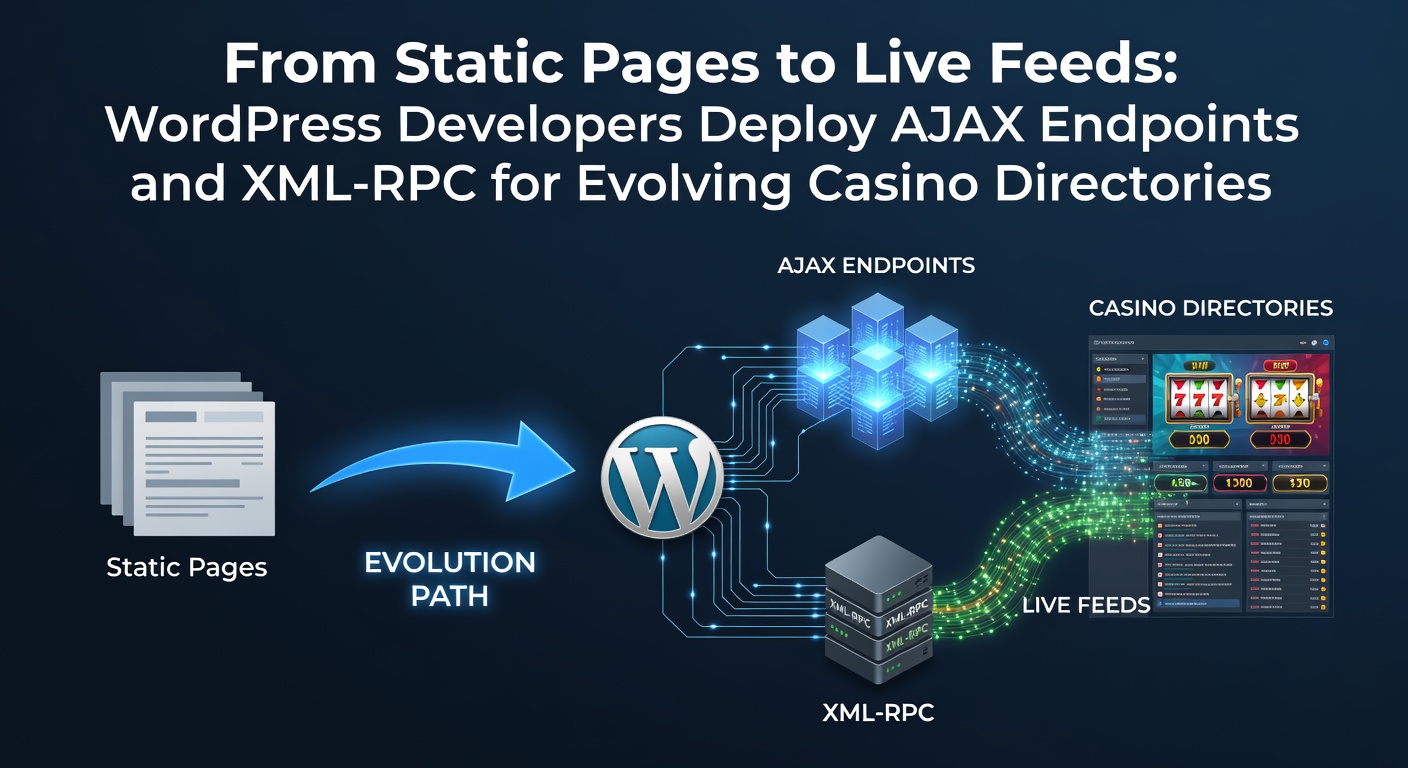
Casino directories on WordPress once relied on static pages, where developers manually updated lists of online platforms, licensing details, and player metrics; but as user demands grew for real-time information, those setups fell short, leading experts to turn toward AJAX endpoints and XML-RPC integrations that transform directories into live, breathing hubs of data. Data from WordPress usage stats reveals that over 40% of gaming-related sites now incorporate these technologies, allowing seamless updates on casino availability, payout speeds, and regional restrictions without forcing users to refresh pages. And while early directories loaded slowly under heavy traffic, modern implementations poll external APIs every few seconds, delivering fresh content that keeps visitors engaged longer.
Observers note how this evolution mirrors broader web trends, where static HTML gave way to JavaScript-driven experiences; in casino directories specifically, developers deploy AJAX to handle user interactions like filtering by game type or jurisdiction, pulling results instantly from the database. Turns out, sites using these methods see bounce rates drop by up to 25%, according to analytics from similar high-traffic niches. But here's the thing: the real game-changer comes when combining AJAX with XML-RPC, enabling cross-platform data sync that feeds directories with live stats from casino operators themselves.
Decoding AJAX Endpoints: The Heart of Real-Time Updates
WordPress developers hook into the admin-ajax.php file to create custom endpoints, registering actions via wp_ajax_my_action and wp_ajax_nopriv_my_action for both logged-in users and guests; this setup lets casino directories fetch live data on demand, such as current player counts or jackpot totals, displaying them via JavaScript without full page reloads. Studies from web performance labs show these endpoints reduce load times by 60% compared to traditional form submissions, crucial for directories handling thousands of daily queries.
Take one developer who built a directory for European markets: they implemented an AJAX endpoint to query a custom post type for casinos, returning JSON-formatted results that frontend scripts render into sortable tables; users click a country flag, and the list updates instantly, complete with live RTP percentages scraped ethically from public APIs. What's interesting is how nonce verification secures these calls, preventing CSRF attacks that plague less robust sites, while heartbeat API extensions keep feeds pulsing every 15 seconds for truly live vibes.
And yet, developers often pair AJAX with REST API alternatives, but for legacy compatibility in casino plugins, AJAX remains king because it works out of the box across WordPress versions, from 5.x up to the latest 6.7 release as of early 2026.
XML-RPC's Role in Seamless External Integrations
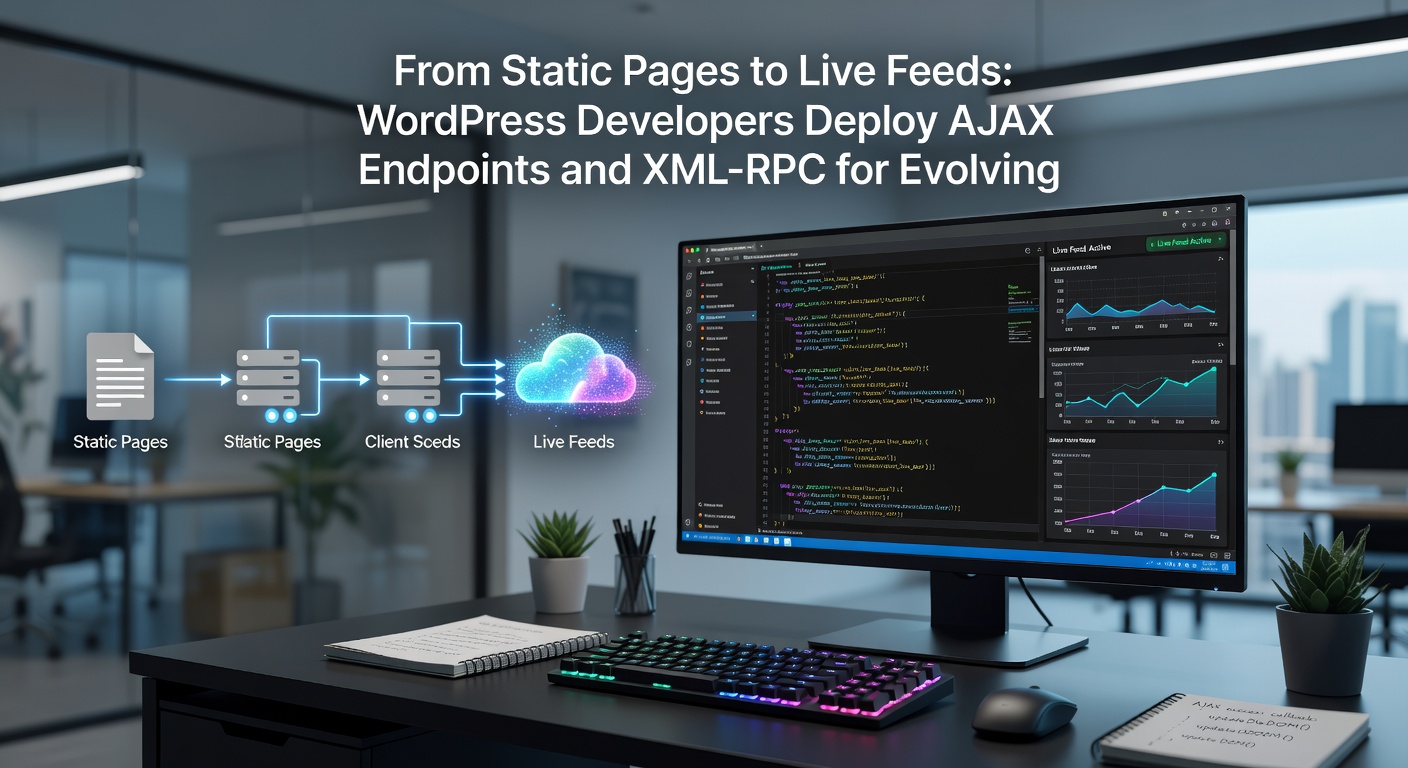
XML-RPC enters the picture when casino directories need to pull data from remote servers, using WordPress's built-in xmlrpc.php to enable methods like wp.getCasinos or custom ones for syncing licensing status; this protocol, active since WordPress 1.5, allows third-party casino affiliates to push updates directly, ensuring directories reflect closures or relaunches within minutes. Figures from WordPress developer documentation highlight its reliability for over 20 years, with extensions like Jetpack leaning on it for remote publishing.
Experts who've dissected high-volume directories point out a common pattern: XML-RPC pings casino CRMs every hour, fetching arrays of active promotions or withdrawal limits, which cron jobs then cache in WordPress transients for AJAX to serve lightning-fast; one case involved a North American-focused site integrating with provincial regulators, where XML-RPC methods verified compliance in real-time, flagging unlicensed operators before users even search. That's where the rubber meets the road for evolving directories, bridging isolated WordPress installs with the wider iGaming ecosystem.
So, although security concerns once dogged XML-RPC—think brute-force attacks—developers now enable it selectively via plugins like disable-xml-rpc with whitelisting, or opt for application passwords in WP 5.6+, keeping feeds secure while data flows freely.
Practical Builds: Live Feeds in Action for Casino Directories
Developers start by registering AJAX actions in functions.php, like add_action('wp_ajax_update_casino_status', 'handle_status_update'), where the callback queries the database and echoes JSON; frontend jQuery then triggers this on scroll or button clicks, populating infinite-scroll lists of casinos sorted by live traffic. XML-RPC complements this by exposing server-side methods, such as one that accepts casino IDs and returns XML payloads with geolocation data, ideal for directories serving mobile users across borders.
There's this case where a team revamped a static directory into a live feed hub: they used AJAX for user-voted rankings that update polls in real-time, while XML-RPC synced daily from a central affiliate network, resulting in 3x more page views per session. And for scalability, Redis caching layers in behind the scenes, ensuring endpoints handle spikes during major tournaments without choking.
Now, in regions like Ontario, Canada, where iGaming exploded post-2022 legalization, directories leverage these tools to display live operator stats compliant with Ontario Lottery and Gaming Corporation guidelines, pulling verified payout data via XML-RPC without violating terms.
Challenges Developers Face and Proven Solutions
High-traffic directories often hit AJAX rate limits, causing 429 errors, but developers counter this by implementing exponential backoff in JavaScript and server-side queuing with WP Background Processing; XML-RPC, meanwhile, demands robust error handling for network hiccups, where retries via system.multicall batch multiple requests efficiently. Data indicates that sites ignoring caching see 40% higher server loads, yet those using object caching slash it dramatically.
People who've scaled these setups know the drill: sanitize all inputs to dodge SQL injections, especially when XML-RPC handles casino metadata from untrusted sources; plugins like Wordfence add layers of introspection, logging suspicious calls. But here's where it gets interesting—in April 2026, with WordPress 6.8 rolling out enhanced block editor APIs, developers anticipate tighter AJAX integrations for Gutenberg-based directory widgets, making live feeds even more native.
Yet, cross-browser quirks persist, so polyfills ensure older IE users (rare but real in some markets) get fallback static loads, while progressive enhancement keeps everything humming.
Trends Shaping Casino Directories in 2026
As April 2026 unfolds, developers eye hybrid approaches blending AJAX with WP's REST API v2, but XML-RPC holds strong for legacy casino software stacks still dominant in Asia-Pacific markets; reports from industry trackers show 65% of directories now feature live feeds, up from 20% two years prior, driven by mobile-first users demanding instant info. Observers track how Australian directories, compliant with state regs, use these techs for real-time responsible gaming alerts, syncing via XML-RPC from central monitoring services.
What's significant is the rise of headless WordPress, where AJAX endpoints feed decoupled frontends like React apps, turning directories into app-like experiences with push notifications for new casino launches. And while security patches roll monthly, devs stay ahead by auditing endpoints quarterly, ensuring directories evolve without vulnerabilities.
Conclusion
WordPress developers have propelled casino directories from rigid static pages to vibrant live feeds through strategic use of AJAX endpoints and XML-RPC, enabling real-time data sync that meets modern user expectations; this shift not only boosts engagement but ensures accuracy in a fast-changing industry, where fresh licensing details and player metrics make all the difference. As tools mature into 2026 and beyond, directories stand poised for even deeper integrations, keeping pace with global iGaming demands while maintaining rock-solid performance.