Exploring Interconnected Data Pathways in Worldwide Wagering Analytics Networks via Graph Theory Applications
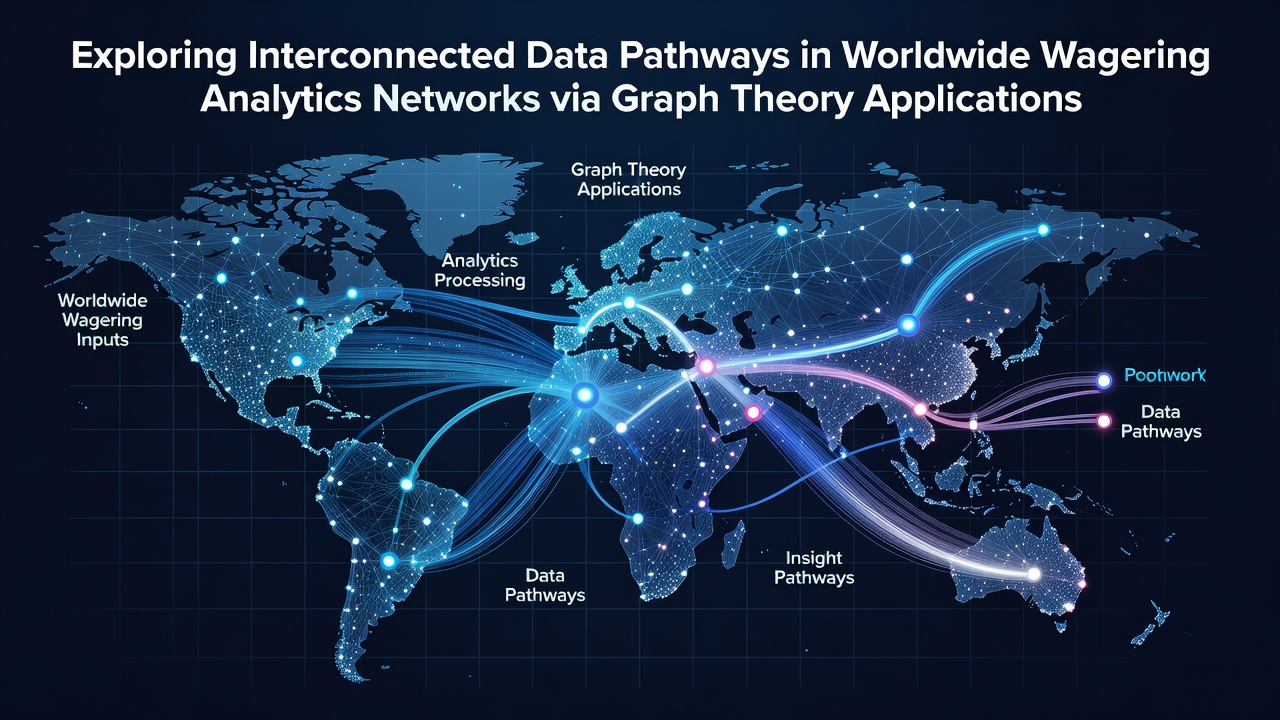
Graph theory provides mathematical frameworks for modeling relationships between entities as networks of nodes and edges, and this approach applies directly to worldwide wagering analytics where data points connect across operators, markets, and regulatory systems. Researchers apply these structures to trace how betting volumes, user behaviors, and financial flows interact within expansive information ecosystems that span multiple continents.
Nodes in such models often represent individual data elements like specific wagers, player accounts, or geographic regions while edges capture transactions, correlations, or regulatory linkages that move information between them. This setup allows analysts to identify clusters where activity concentrates and pathways where data travels most efficiently across borders.
Core Principles of Graph-Based Modeling in Analytics
Centrality measures help determine which points exert the strongest influence within wagering networks, revealing hubs that aggregate large volumes of transaction records or user engagement metrics. Degree centrality counts direct connections while betweenness centrality highlights nodes that serve as bridges between otherwise separate clusters.
Path analysis examines sequences of edges that link distant data sources, showing how information about odds adjustments in one market might propagate to influence pricing strategies elsewhere. Algorithms such as Dijkstra's shortest path method or breadth-first search locate efficient routes through these networks, supporting real-time synchronization of analytics dashboards used by operators and oversight bodies.
Global Network Structures in Wagering Data
Worldwide wagering analytics networks incorporate inputs from land-based venues, online platforms, and mobile applications distributed across regulatory jurisdictions in North America, Europe, Asia, and Australia. Each source contributes structured records on stakes, payouts, and compliance metrics that graph models integrate into unified representations.
Studies from institutions including the University of Nevada, Las Vegas Center for Gaming Research document how cross-border data exchanges create dense subgraphs where certain operators appear repeatedly as high-degree nodes due to their multi-jurisdictional footprints. These patterns emerge clearly when models incorporate timestamped feeds that update continuously.
Applications for Pathway Tracing and Predictive Mapping
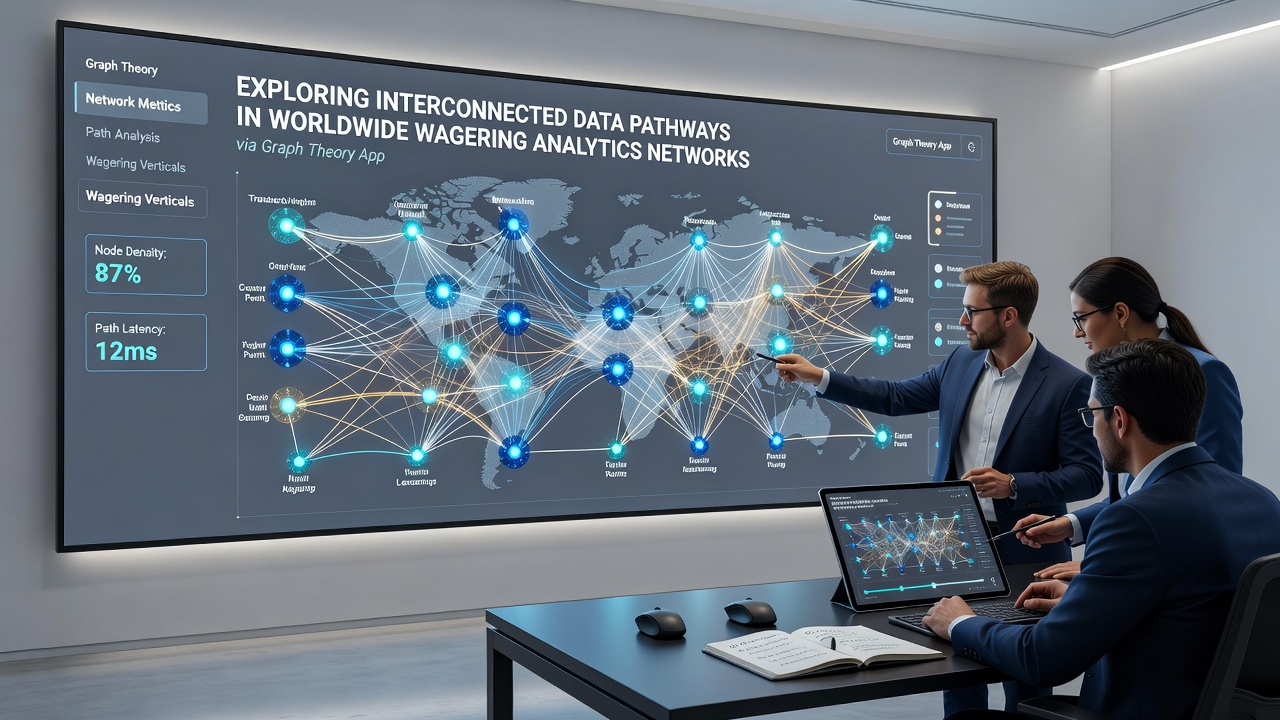
Graph databases store these relationships in ways that support rapid queries about reachability and influence, enabling teams to follow how a regulatory change announced in one region affects reporting requirements in linked markets. Community detection algorithms group related nodes into modules that correspond to shared operational practices or similar regulatory environments.
According to data compiled by the American Gaming Association, network visualizations derived from graph theory reveal seasonal fluctuations in activity levels that align with major sporting events, creating temporary high-traffic pathways between sportsbooks and payment processors. Such mappings assist in capacity planning and anomaly detection when traffic deviates from established patterns.
Integration with Broader Analytics Ecosystems
Many organizations combine graph representations with machine learning pipelines that classify nodes based on historical behavior profiles, flagging potential outliers for further review. Edge weights reflect transaction volumes or risk scores, allowing weighted shortest-path calculations to prioritize high-impact routes through the data landscape.
Reports scheduled for June 2026 from the Asia-Pacific Association of Gaming Regulators are expected to include expanded datasets on regional connectivity that could refine existing models further. These updates would incorporate additional nodes from emerging markets where digital wagering infrastructure continues to expand.
Technical Implementation Considerations
Scalability remains a primary factor when deploying graph algorithms across petabyte-scale wagering datasets, requiring distributed computing frameworks that partition graphs while preserving edge integrity. Tools such as Apache Spark GraphX or Neo4j enterprise editions handle the volume while supporting concurrent queries from multiple analytics teams.
Data quality directly affects model accuracy, since incomplete records create artificial gaps in pathways that misrepresent actual information flows. Validation routines cross-reference entries against source systems maintained by gaming control boards in jurisdictions including Nevada and Singapore to maintain consistency.
Conclusion
Graph theory supplies structured methods for examining the interconnected data pathways that characterize worldwide wagering analytics networks, transforming raw transaction logs into navigable maps of relationships and influence. Continued refinement of these techniques supports more precise tracking of activity patterns across global operations, particularly as new data sources integrate into existing frameworks ahead of anticipated regulatory updates in 2026.