Exploring Automation Workflows for Synchronizing Promotional Data Across International Entertainment Venue Aggregators
Ellis Powell · Aug 19, 2026
Exploring Automation Workflows for Synchronizing Promotional Data Across International Entertainment Venue Aggregators
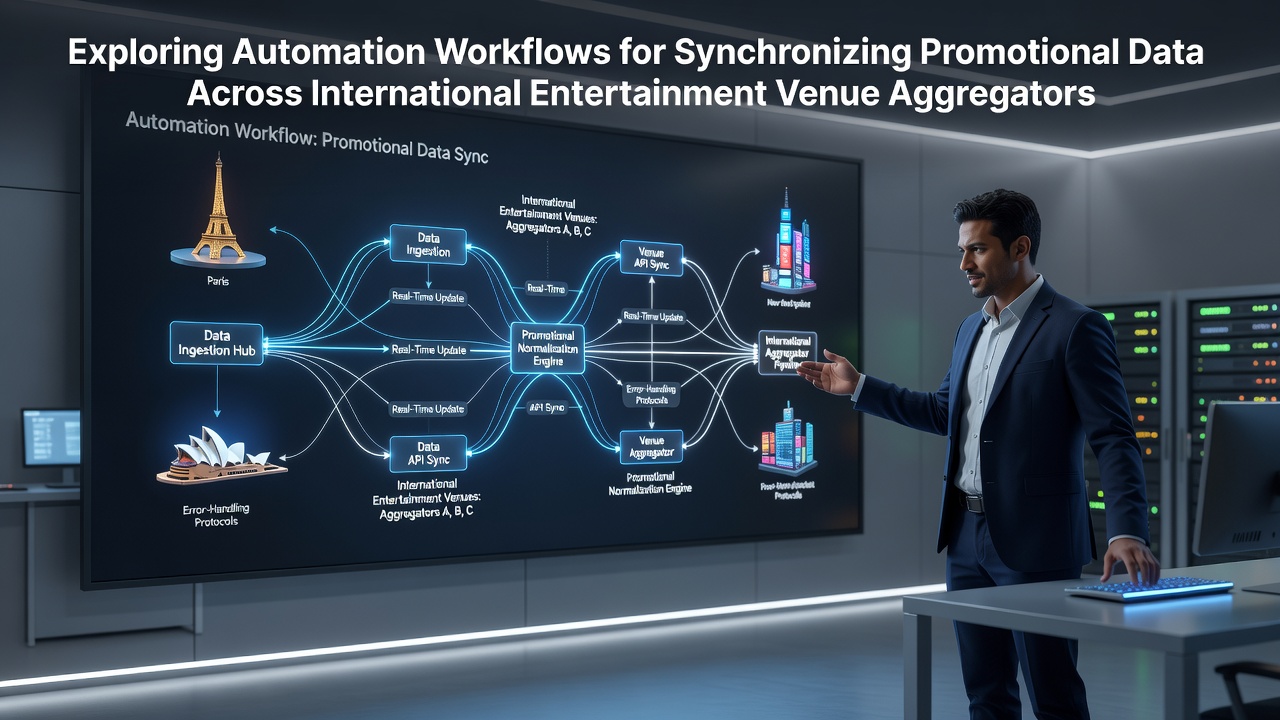
Entertainment venue aggregators collect and display promotional information from theaters, concert halls, sports arenas, and theme parks around the world, and automation workflows handle the task of keeping that information consistent across multiple platforms at once. These systems pull details such as event schedules, ticket discounts, and special packages from individual venues then push updates to aggregator sites in different countries, which reduces manual entry errors while meeting local formatting and regulatory requirements.
Data Integration Challenges Across Borders
Promotional data arrives in varied formats because venues operate under different national standards for currency display, time zones, and language requirements. Researchers at the European Commission's tourism data initiative documented how mismatched date formats and tax rules create synchronization gaps that can last several hours when handled through manual spreadsheets. Automation addresses these issues by applying mapping rules that convert incoming records into a common schema before distribution, and the process runs on scheduled intervals that operators adjust based on event volume.
August 2026 saw increased cross-border promotions for major music festivals, which placed extra demand on synchronization tools as organizers updated pricing and availability multiple times per day. Workflow engines using API connectors detected those changes and propagated them to aggregator dashboards in North America, Asia, and Australia within minutes, according to reports from the International Tourism Partnership.
Core Components of Automation Workflows
Modern synchronization setups rely on extract-transform-load pipelines that connect venue management software to aggregator databases. These pipelines begin with secure API calls that pull raw promotional records, apply validation checks for completeness, then transform fields such as price and availability into standardized structures. Cloud-based orchestration platforms schedule these steps and log every transfer so operators can trace discrepancies back to their source.
Additional layers include rule-based filters that exclude certain promotions from specific regions due to licensing restrictions, and notification modules that alert venue staff when an update fails to process. Data from the Australian Bureau of Statistics on digital tourism services shows that venues adopting these layered workflows recorded fewer listing conflicts compared with those relying on periodic file uploads.
Security and Compliance Measures
International data transfers must satisfy privacy regulations in each target market, and automation workflows incorporate encryption along with access controls that limit which team members can modify mapping rules. Industry groups such as the World Travel and Tourism Council have published guidelines that recommend audit trails covering every automated change, which helps organizations demonstrate compliance during regulatory reviews.
Token-based authentication prevents unauthorized access to venue systems, while role-based permissions inside the workflow platform ensure that only approved personnel can alter transformation logic. Observers note that these controls have become standard practice among aggregators handling data from multiple continents.
Case Examples from Different Regions
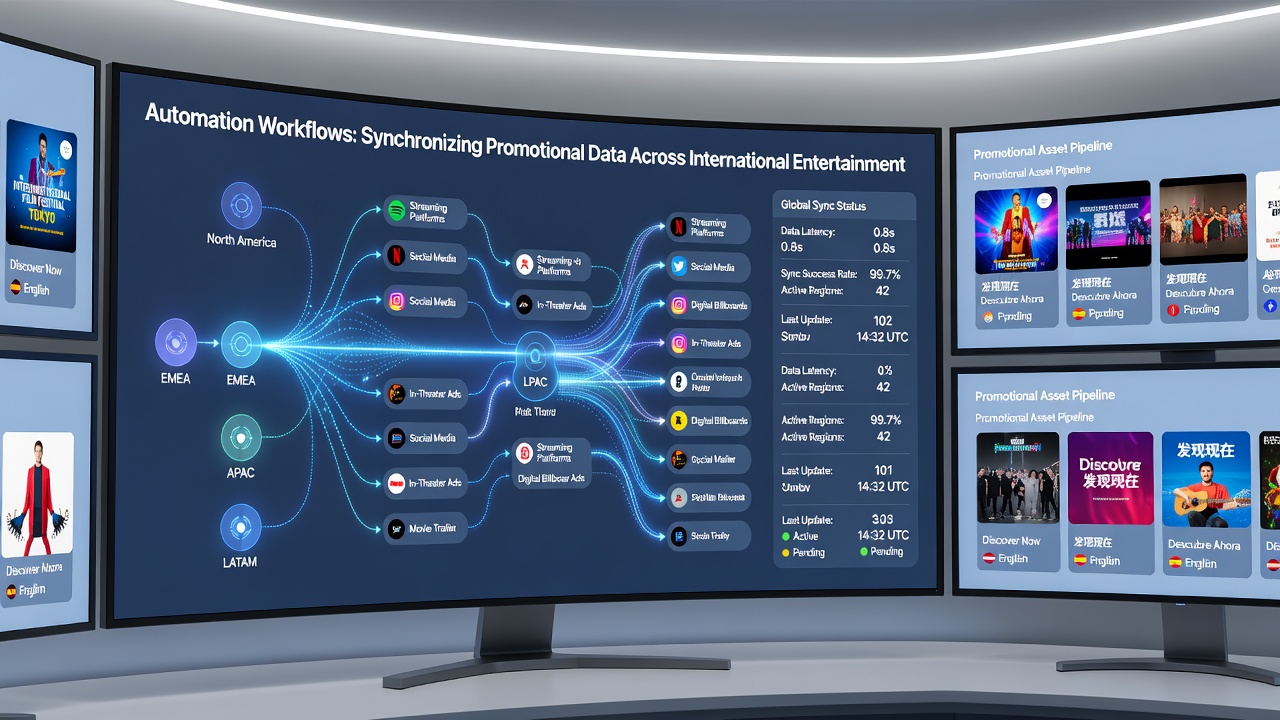
One North American aggregator implemented a workflow that connects directly to venue ticketing systems in Canada and Mexico, converting local currency values and applying tax adjustments automatically before publishing. The same platform later expanded the workflow to include European partners by adding a module that handles GDPR consent flags attached to promotional offers.
In Asia, operators managing theme park promotions across Singapore, Japan, and South Korea use similar pipelines that incorporate real-time inventory checks from on-site systems. A study released by the Asia-Pacific Tourism Research Institute found that these automated connections reduced the average time between a venue price change and its appearance on aggregator sites from four hours to under fifteen minutes.
Future Developments in Workflow Design
Developers continue to refine synchronization tools by incorporating machine-learning models that predict which promotions will require frequent updates based on historical patterns. These models adjust polling frequencies dynamically, which conserves bandwidth during quiet periods while maintaining rapid response when events approach sell-out status. Government tourism agencies in several countries have begun testing shared data standards that could further simplify cross-border mappings if adopted more widely.
Conclusion
Automation workflows for promotional data synchronization now form a core operational layer for international entertainment venue aggregators, enabling consistent information delivery across diverse regulatory and technical environments. As event calendars grow more complex and cross-border promotions increase, the documented improvements in speed and accuracy from these systems continue to shape how venues and aggregators manage shared content.