Examining Protocol Integrations That Support Live Content Refresh in Digital Betting Directories
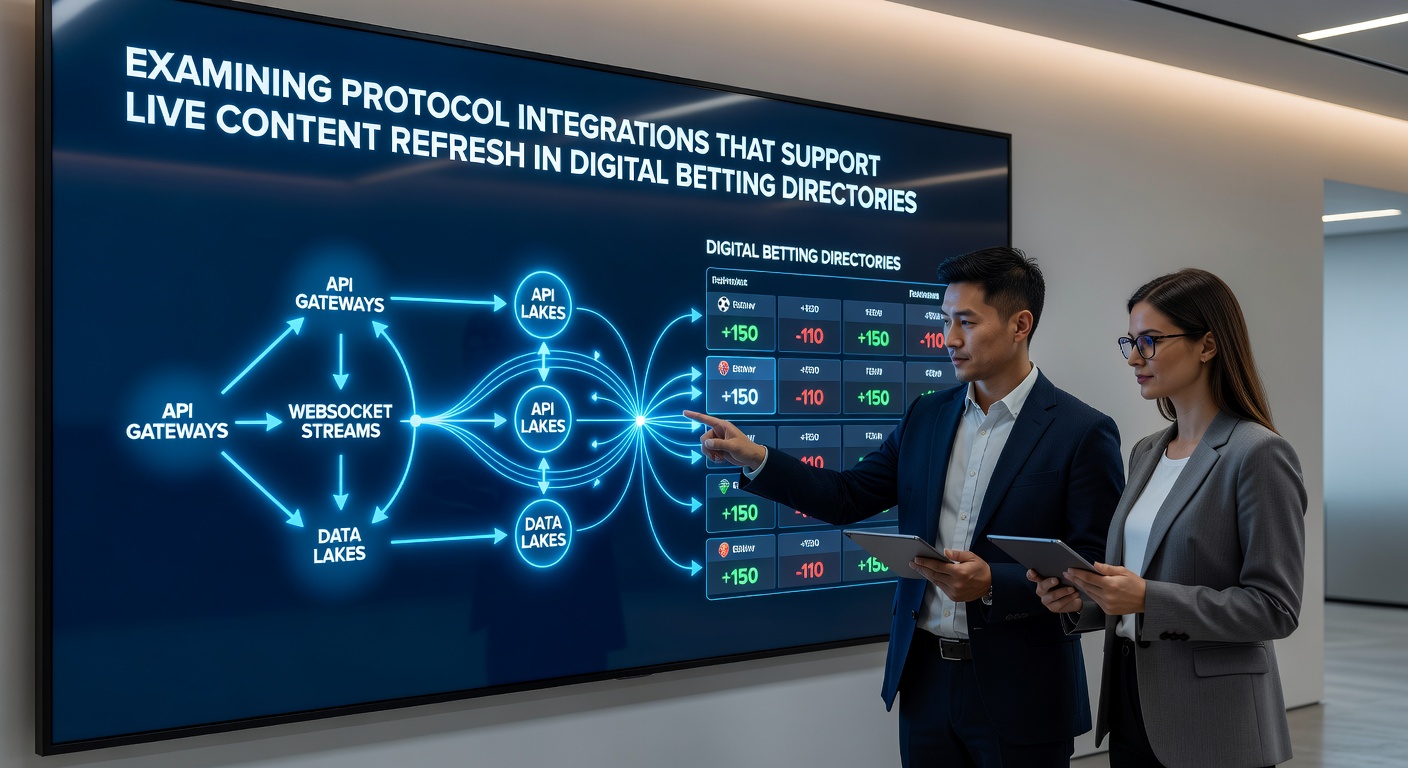
Digital betting directories now depend on layered protocol integrations that enable continuous content updates without requiring full page reloads or manual interventions, and these systems handle streams of odds changes, event results, and promotional adjustments across multiple jurisdictions at once. Observers note that the shift from batch processing to live refresh mechanisms has accelerated since platform operators began prioritizing user retention through immediate data visibility, while developers select combinations of WebSocket connections, RESTful endpoints, and Server-Sent Events based on latency requirements and regulatory constraints.
Core Protocols Driving Real-Time Synchronization
WebSocket technology forms the backbone of many live refresh implementations because it maintains persistent bidirectional channels that push updates the moment data arrives from sportsbooks or aggregators, and this approach reduces overhead compared with repeated HTTP requests that poll for changes every few seconds. Researchers at institutions studying distributed systems have documented how WebSocket handshakes establish low-latency pathways that scale to thousands of concurrent directory users, yet operators often layer fallback mechanisms such as long-polling when browser or network conditions interrupt the primary socket. Server-Sent Events complement these setups by delivering unidirectional streams optimized for one-way updates like score changes or market suspensions, and they require less client-side scripting than full-duplex alternatives.
REST APIs continue to serve as the entry point for initial data loads and authentication flows even when live channels handle subsequent refreshes, while GraphQL queries allow directories to request precisely the fields that changed since the last synchronization. Data indicates that hybrid architectures combining these protocols minimize bandwidth consumption and support the granular filtering needed for regional compliance rules.
Integration Patterns with External Data Providers
Betting directories typically establish direct feeds from multiple sources including official league data centers, odds compilers, and third-party aggregators, and these connections rely on standardized message formats such as JSON over WebSocket or XML payloads delivered through secure HTTPS tunnels. In practice, middleware layers normalize incoming streams so that directory interfaces display consistent information regardless of the originating provider, and observers have recorded successful implementations where failover routing switches between primary and secondary feeds within milliseconds of detecting packet loss. The European Gaming and Betting Association has published industry reports detailing how such redundancy supports uninterrupted service during high-volume periods like major tournaments.

Security protocols wrap these data exchanges through token-based authentication and encrypted channels that satisfy data-protection requirements in markets such as those overseen by the Malta Gaming Authority and various Australian state regulators. Certificate pinning and mutual TLS further reduce exposure to interception, while rate-limiting rules prevent any single provider from overwhelming the directory infrastructure.
Compliance and Scalability Considerations in 2026
By May 2026 several jurisdictions plan to enforce stricter real-time reporting mandates that require directories to surface regulatory alerts and responsible-gaming messages alongside core betting content, and protocol stacks must therefore incorporate message-priority queues that surface compliance notices without delaying odds updates. Scalability testing conducted by platform engineers shows that horizontal pod autoscaling paired with WebSocket connection pooling maintains sub-second refresh intervals even when simultaneous user counts exceed previous peak records. Geographic distribution of edge servers helps satisfy latency expectations across continents while keeping all live channels synchronized through consensus mechanisms that reconcile conflicting data points from different feeds.
What's interesting is how these technical choices intersect with emerging standards from research consortia focused on gambling technology, where studies examine the reliability of protocol handoffs during peak traffic events. Operators who adopt open-source libraries for WebSocket management report faster iteration cycles when integrating new data fields introduced by sports governing bodies.
Conclusion
Protocol integrations that support live content refresh continue to define operational capabilities within digital betting directories, and the combination of persistent sockets, event streams, and secure API layers delivers the immediacy users expect while meeting oversight requirements across diverse regulatory environments. Those who have studied deployment outcomes note that careful selection and monitoring of these components directly influence both performance metrics and long-term maintainability.