Decoding player interaction metrics within digital casino recommendation engines
Katja Brooks · Aug 26, 2026
Decoding player interaction metrics within digital casino recommendation engines
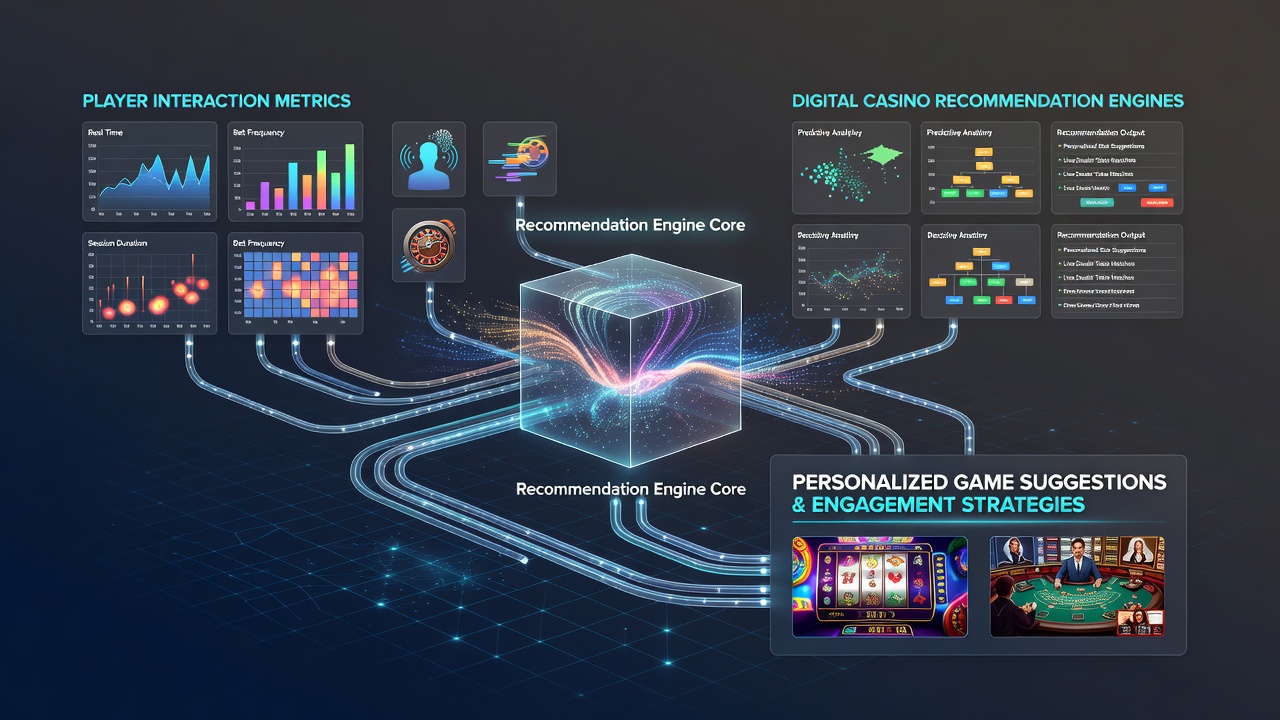
Recommendation engines in digital casinos process vast streams of player data to suggest games, bonuses, and features tailored to individual patterns. These systems collect interaction metrics such as session duration, click sequences on game thumbnails, deposit frequency after recommendations, and time spent reviewing specific categories like slots or table games. Data flows through centralized platforms where algorithms parse these signals to refine output in real time, and operators track how users respond to each suggestion across mobile and desktop interfaces. Researchers have documented several core metrics that drive these engines. Click-through rates measure how often players select a recommended title from a list or carousel, while conversion rates track progression from view to actual play or wager. Retention signals include return visits within 24 hours of a suggestion and average bets per session following a personalized prompt. Observers note that engagement scores often combine these elements into weighted formulas, where higher values indicate stronger alignment between user behavior and engine predictions.Key interaction signals and collection methods
Player actions generate structured logs that feed into backend databases. Session length captures total time from login to logout, and navigation paths reveal sequences like browsing live dealer options before settling on video poker. Deposit triggers tied to recommendations show immediate responses, whereas churn indicators flag when users ignore suggestions repeatedly. According to industry reports, these data points undergo aggregation across thousands of sessions to identify clusters, such as high-frequency players who favor progressive jackpots.
Collection happens through event trackers embedded in casino interfaces, and systems log every scroll, hover, and tap without requiring explicit input from users. As of August 2026, platforms have expanded these trackers to include cross-device continuity, allowing metrics from tablet sessions to influence mobile recommendations seamlessly. Those who study these systems point out that timestamped events enable temporal analysis, revealing peak activity windows when certain game types gain traction.
Algorithmic decoding techniques
Engines decode metrics using collaborative filtering, which compares one player's history against similar profiles to predict preferences, and content-based methods that match game attributes like volatility or theme to past interactions. Machine learning models process these inputs through neural networks that adjust weights based on outcome feedback, such as increased playtime after a specific suggestion. Data indicates that hybrid approaches combining both techniques often yield more accurate results, particularly when handling sparse data from new users.
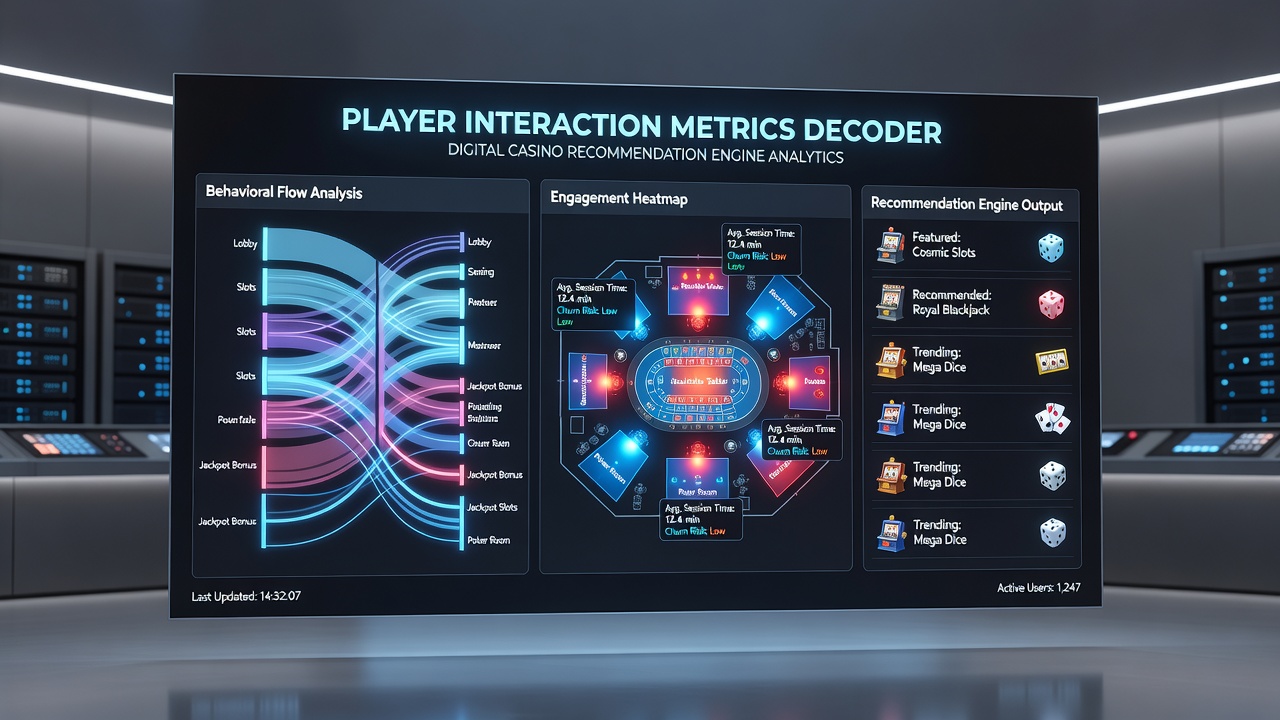
One study revealed that graph database structures help map connections between metrics, such as linking frequent bonus claims to higher retention in certain demographics. Protocol integrations support live updates, where fresh interaction data refreshes recommendations within seconds of a player action. Experts have observed that these bridges allow adaptive content layers, ensuring suggestions evolve alongside shifting user habits rather than relying on static historical batches.
Regional data practices and regulatory context
Operators in various jurisdictions apply these metrics under different oversight frameworks. The Nevada Gaming Control Board requires transparent logging of recommendation outcomes for compliance audits, while the Australian Communications and Media Authority monitors how personalization affects responsible gambling prompts. Research from the University of Nevada, Las Vegas, has examined how interaction data correlates with session limits, providing insights into balanced engine design across North American markets.
European operators often integrate metrics with player protection tools, using engagement scores to trigger interventions when patterns suggest excessive play. Figures from the European Gaming and Betting Association show that refined decoding has supported more precise targeting, reducing irrelevant suggestions by measurable margins in tested environments. Backend queries streamline synchronization, pulling updated metrics from international networks to maintain consistency for global user bases.
Applications in live environments
Recommendation engines apply decoded metrics to prioritize content in real time. For instance, a player who lingers on high-volatility slots receives suggestions weighted toward similar titles, while those with shorter sessions see quicker-loading options. Adaptive layers adjust based on recent interactions, and live feeds update directories without full page reloads through endpoint connections.
Case examples include platforms where graph mapping identifies indirect connections, such as shared preferences between users who both engage with seasonal promotions. These mappings support dynamic listings that reflect current trends, and developers deploy custom filters to refine output based on aggregated signals rather than individual records alone.
Conclusion
Decoding player interaction metrics forms the foundation of effective recommendation engines in digital casinos. Through structured collection, algorithmic processing, and regional adaptations, these systems transform raw signals into actionable suggestions that align with observed behaviors. Continued refinement of these techniques supports evolving platforms while operating within established regulatory boundaries across multiple markets.