Customizing Query Optimization Layers to Accelerate Promotional Synchronization Across Global Wagering Assessment Networks

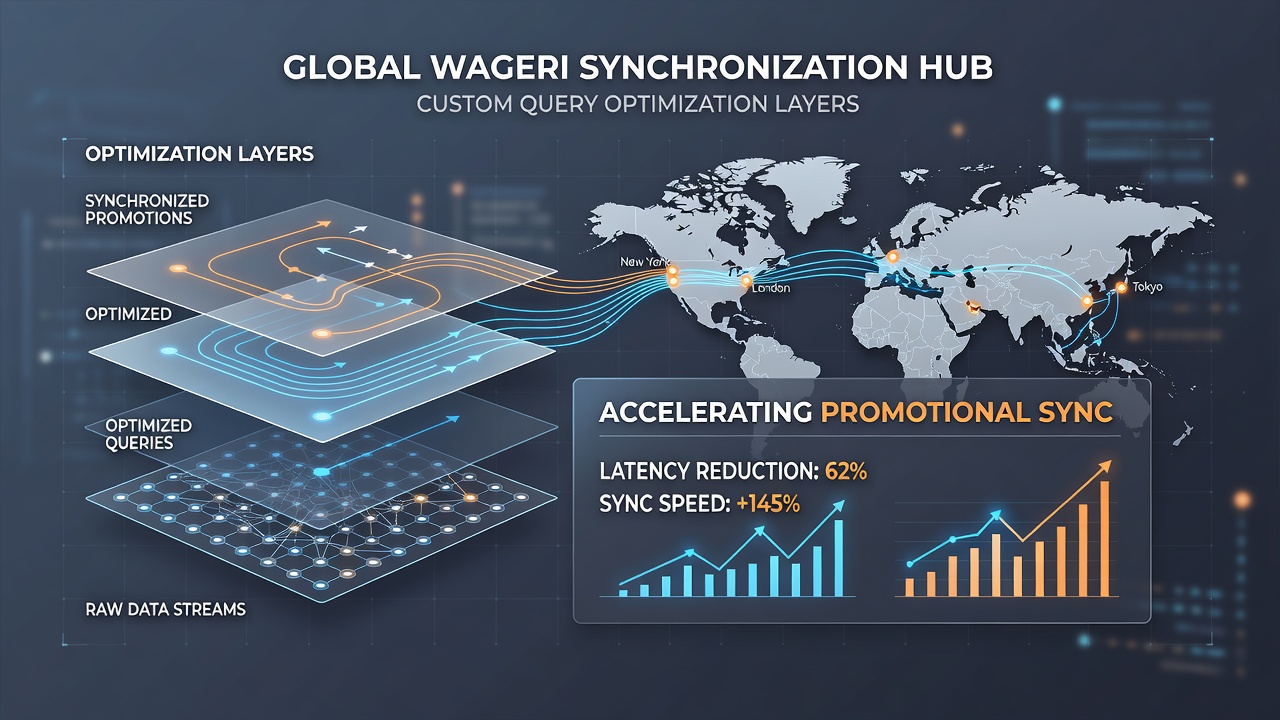
Global wagering assessment networks rely on intricate database architectures that handle promotional content across multiple jurisdictions, and customizing query optimization layers has emerged as a key approach for improving synchronization speeds. These layers adjust how queries retrieve, filter, and update data related to bonuses, odds adjustments, and compliance flags, allowing operators to maintain consistency even when networks span continents.
Core Components of Query Optimization in Wagering Systems
Database engines process thousands of simultaneous requests for promotional updates, and optimization begins with indexing strategies tailored to high-velocity data fields such as timestamped bonus offers and regional regulatory tags. Custom layers introduce dynamic query rewriting that prioritizes frequently accessed promotional records while deprioritizing archival entries, which reduces latency during peak synchronization windows.
Research indicates that standard query planners often overlook the unique access patterns in wagering environments where promotional data must align across time zones and licensing regimes. Modified cost models within these layers account for variables like network partition tolerance and data replication delays, enabling faster convergence when updates propagate through distributed nodes.
Techniques for Layer Customization
Developers integrate materialized views that precompute promotional aggregates for specific market segments, and these views refresh according to event-driven triggers rather than fixed schedules. Adaptive caching mechanisms further support this process by storing query results that match common synchronization patterns, while invalidation rules ensure stale promotional information does not linger across nodes.
Partitioning schemes divide wagering assessment tables by geographic or regulatory criteria, allowing query optimizers to scan only relevant shards during synchronization tasks. Parallel execution paths, calibrated through custom hints and execution plan overrides, distribute workload across available compute resources without overwhelming any single regional cluster.
Integration Across Distributed Global Networks
Networks that connect assessment platforms in North America, Europe, and Asia-Pacific regions require synchronization protocols capable of handling variable data governance rules. Customized optimization layers embed compliance checks directly into query execution paths, so promotional content updates respect local restrictions while still achieving rapid propagation.
According to industry reports from the Australian Institute of Criminology, data volume in regulated wagering systems grew substantially between 2023 and 2025, underscoring the need for efficient query handling. Similar observations appear in analyses from the Canadian Centre on Substance Use and Addiction, where researchers documented increased demand for real-time content alignment across cross-border operators.
Performance Outcomes and Monitoring Practices
Operators track synchronization metrics through specialized dashboards that measure end-to-end latency for promotional record updates. These metrics reveal how adjustments to query optimizer parameters correlate with reduced replication lag, particularly during periods of heightened activity such as major sporting events or seasonal campaign launches.
In July 2026, several international wagering platforms implemented revised optimization configurations following updates to data portability standards, resulting in documented improvements in promotional refresh cycles across multi-jurisdiction networks. Continuous profiling tools help teams identify bottlenecks in query execution plans and apply targeted refinements without disrupting live synchronization processes.
Conclusion
Customized query optimization layers provide measurable advantages for accelerating promotional synchronization in global wagering assessment networks by refining data retrieval paths, enhancing caching behavior, and aligning execution strategies with distributed infrastructure demands. Evidence from regulatory and research sources continues to highlight the role of these technical adaptations in maintaining operational consistency across diverse regulatory environments.