Charting the Influence of Mobile Technology on Live Casino Resource Updates
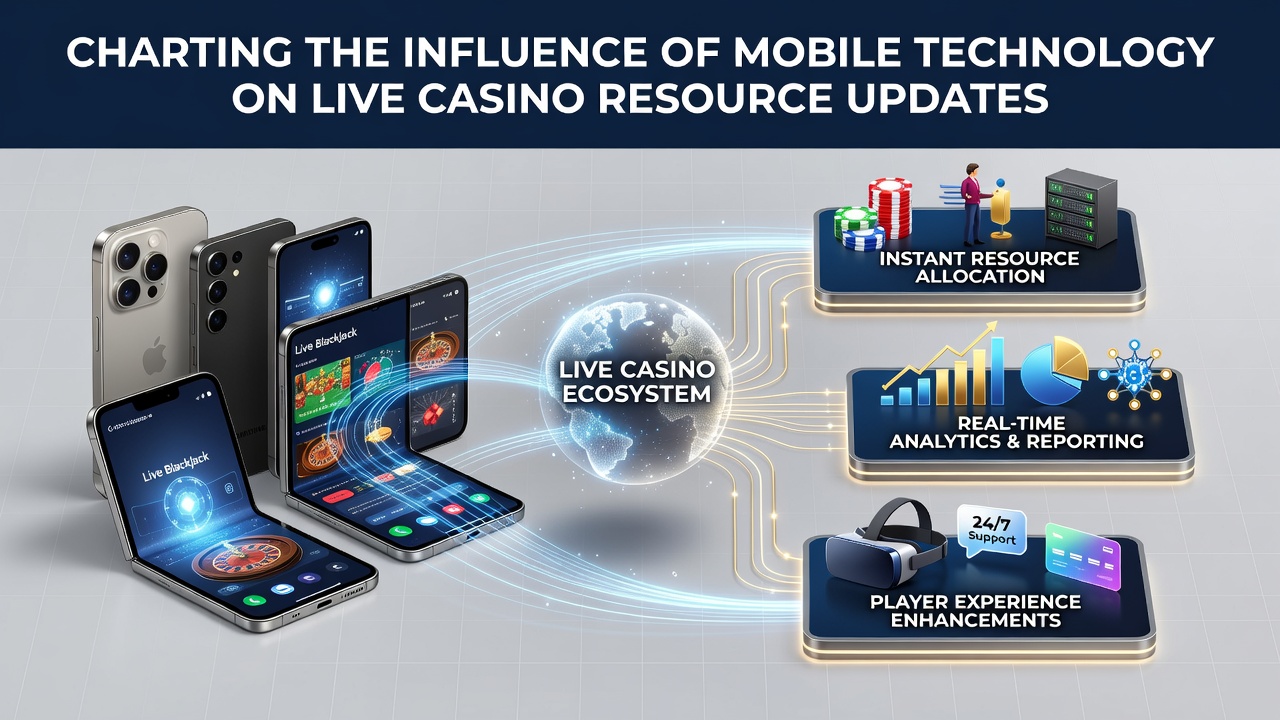
Mobile technology has reshaped how live casino resources maintain their accuracy and timeliness since the widespread adoption of smartphones in the mid-2010s, with developers integrating device capabilities directly into content management systems that power directories and betting platforms. Devices now handle location-aware data streams that feed into central databases, allowing operators to refresh listings for games, promotions, and regulatory changes without manual intervention from desktop terminals.
The Shift Toward Mobile-Driven Synchronization
Early casino resource platforms relied on scheduled batch uploads from fixed workstations, yet mobile networks introduced continuous connectivity that supports incremental updates throughout the day. Developers observed that push notification frameworks and background data syncing reduced latency between source changes and public visibility, particularly when operators adjust bonus structures or game availability in response to regional rules. In regions like Nevada and parts of Canada, these capabilities aligned with licensing requirements that demand prompt disclosure of terms, enabling systems to reflect modifications within minutes rather than hours.
Research from academic groups at institutions studying digital economies shows that mobile-first architectures increased the frequency of content refreshes by factors of three to five compared with legacy methods. This pattern holds because smartphones maintain persistent connections through cellular and Wi-Fi handoffs, while apps leverage device sensors to validate user context before displaying tailored resource sections.
Real-Time Mechanisms in Practice
Live casino directories now employ mobile-optimized endpoints that query central servers for delta changes, pulling only modified entries such as updated payout percentages or newly restricted jurisdictions. These endpoints work alongside device-side caching strategies that preserve previous states until confirmed updates arrive, minimizing data usage on metered connections. Observers note that such designs prove especially useful during peak events like major sporting tournaments, when resource pages experience simultaneous access spikes from thousands of mobile users seeking current odds or venue information.
One documented approach involves geofencing protocols that trigger localized resource adjustments, for instance displaying jurisdiction-specific responsible gambling links when a device crosses state lines. Data from industry reports compiled by groups like the American Gaming Association indicates that these location-triggered refreshes accounted for measurable portions of total update volume in 2025, with continued growth projected into mid-2026 as 5G coverage expands in additional markets.
Integration with Broader Ecosystems
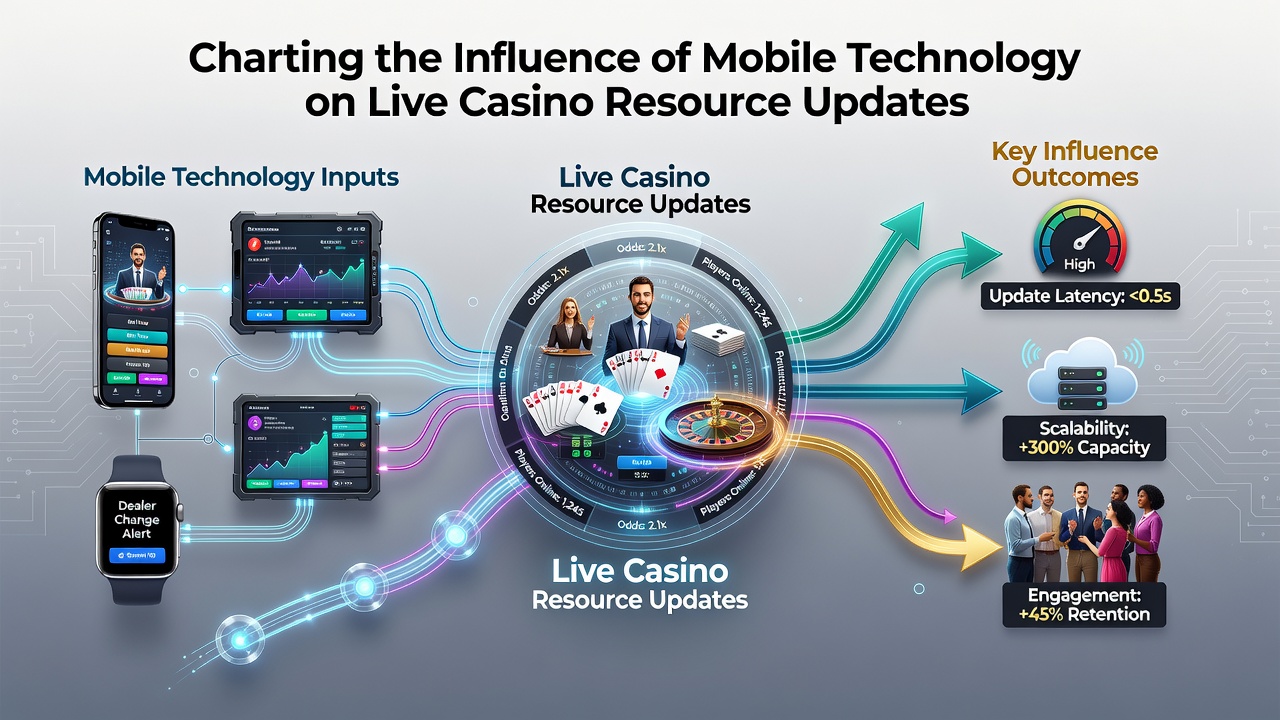
Mobile technology also influences how resource platforms connect to external data feeds from game providers and payment processors, routing information through secure channels that authenticate via device hardware keys. This setup allows operators to propagate changes across international networks while respecting varying data residency rules in places such as Australia and several European Union member states. Those who manage large directories report that mobile clients serve as primary interfaces for verification teams conducting spot checks, since field personnel can submit corrections directly from venue floors using secure forms embedded in dedicated applications.
Studies conducted by university research teams examining information ecosystems highlight that mobile interfaces reduced error rates in resource entries by enabling immediate cross-referencing against live feeds. The same studies point to increased adoption of edge computing nodes that preprocess mobile-originated updates before they reach core servers, thereby distributing computational load and accelerating propagation times during high-traffic periods.
Considerations for June 2026 and Beyond
As of June 2026, several regulatory bodies across North America and Asia continue evaluating standards for mobile authentication in gambling information systems, with pilot programs testing biometric-linked update approvals that further streamline live resource maintenance. These developments build on existing mobile frameworks rather than replacing them, ensuring backward compatibility for older devices still prevalent in certain demographics.
Network providers have expanded low-latency slices dedicated to gaming traffic, which in turn supports more granular update frequencies for elements like progressive jackpot tallies and tournament schedules displayed within casino resource hubs. Industry organizations tracking these metrics note consistent year-over-year gains in mobile-initiated update shares, reflecting both user preference and operational efficiency gains.
Conclusion
Mobile technology continues to define the operational tempo of live casino resource updates through persistent connectivity, sensor integration, and distributed processing techniques that keep directories current across global audiences. The patterns established in recent years suggest sustained reliance on these capabilities as infrastructure matures and regulatory expectations evolve in parallel.