Charting Regulatory Shifts in Cryptocurrency Gaming Ventures Across Asian Jurisdictions
Elena Wagner · Jul 29, 2026
Charting Regulatory Shifts in Cryptocurrency Gaming Ventures Across Asian Jurisdictions
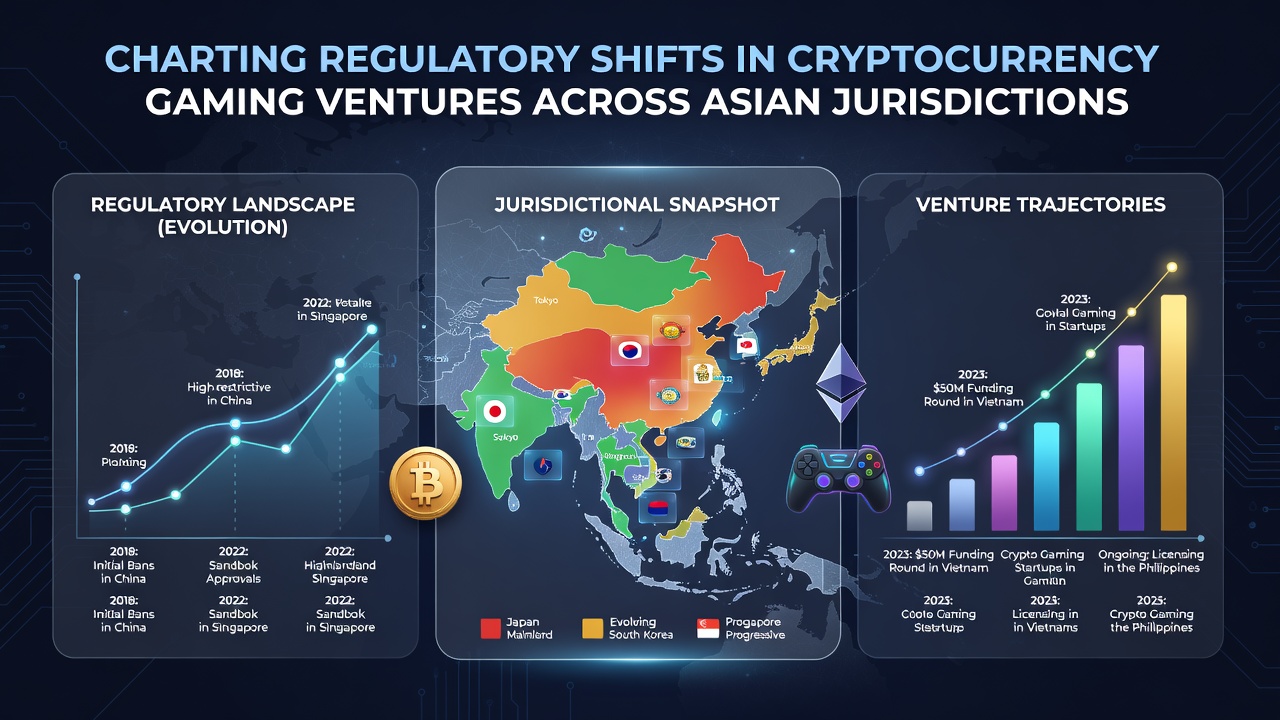
Asian jurisdictions continue to adjust their approaches to cryptocurrency integration within gaming sectors as digital asset markets expand and enforcement priorities evolve through mid-2026. Governments balance innovation incentives against consumer protection measures while monitoring cross-border transaction flows that often bypass traditional banking oversight. Data from regulatory filings shows increased scrutiny on platforms that combine blockchain tokens with betting mechanics particularly in regions where local operators seek licensing pathways.
Japan's Evolving Stance on Crypto-Enabled Gaming Platforms
Japanese authorities through the Financial Services Agency have refined guidelines that address virtual currency use in online entertainment products since early amendments to the Payment Services Act took effect. Operators must now demonstrate compliance with anti-money laundering protocols when accepting stablecoins or other digital assets for wagers and observers note that several domestic firms applied for updated licenses ahead of July 2026 deadlines. These shifts coincide with broader efforts to align with G7 recommendations on digital finance yet leave room for sandbox testing programs that allow limited live deployments.
Research indicates that transaction volumes involving crypto in Japanese gaming environments grew steadily through 2025 before regulators introduced new reporting thresholds that require real-time disclosure of large transfers. Companies that previously operated in gray zones have begun restructuring their token economies to meet custody and segregation rules and this process has prompted partnerships with licensed banks for reserve management.
South Korea and Singapore Tighten Oversight Mechanisms
South Korea's Financial Services Commission expanded its monitoring framework for virtual asset service providers that facilitate gaming activities and new rules effective in the first half of 2026 mandate separate accounting for player funds held in cryptocurrencies. Regulators also require proof of independent audits covering smart contract integrity before any platform can offer token-based rewards tied to chance outcomes. Industry reports show that several international operators paused Korean market entry plans while they recalibrate compliance systems.
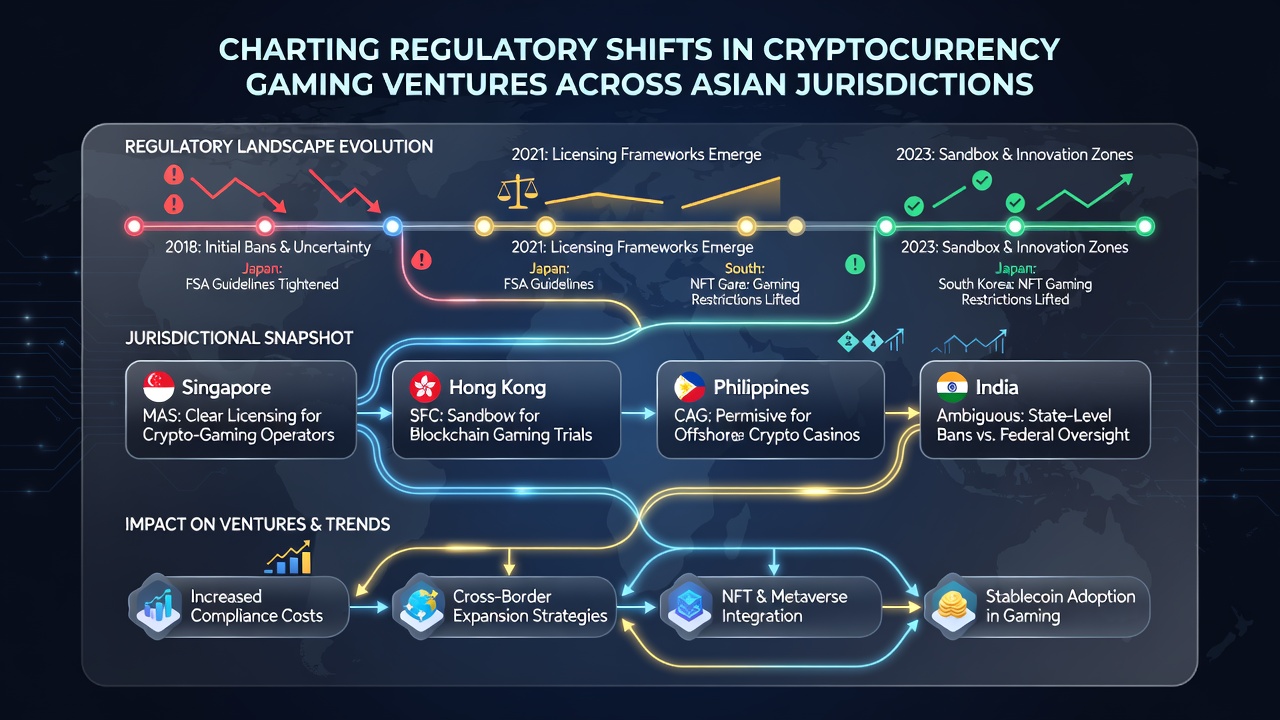
Singapore's Monetary Authority has maintained a restrictive posture on crypto gambling while permitting certain blockchain experiments under controlled conditions and guidance issued in late 2025 clarified that unlicensed platforms accepting digital currencies for bets face blocking orders on local internet service providers. Authorities there coordinate with neighboring jurisdictions through information-sharing agreements that track operator movements across Southeast Asia and this collaboration has produced joint enforcement actions against offshore sites targeting regional users.
Developments in the Philippines and Vietnam
The Philippine Amusement and Gaming Corporation updated its licensing criteria to include provisions for cryptocurrency transaction monitoring after revenue projections for the broader sector were released in early 2026. Operators seeking new certifications must now integrate blockchain analytics tools that flag suspicious wallet activity and several existing licensees completed pilot programs that demonstrated reduced fraud rates according to internal metrics shared with regulators. These changes occur alongside ongoing discussions about expanding integrated resort models that incorporate digital asset payment rails.
Vietnam's State Bank has continued its prohibition on crypto payments for gambling services yet enforcement patterns reveal selective application focused on larger platforms rather than individual users. Government statements from July 2026 highlight plans to develop a domestic digital currency framework that could eventually intersect with gaming regulations and observers point to pilot zones near border areas where cross-jurisdictional play raises additional compliance questions.
Regional Patterns and Cross-Border Implications
Across multiple Asian markets patterns emerge around the separation of payment rails from gaming engines with regulators favoring licensed custodians over direct wallet integrations. Studies from regional financial research centers indicate that licensed operators adopting hybrid models combining fiat gateways with optional crypto top-ups experience fewer disruptions during audits. Jurisdictions that previously lacked specific crypto language in gaming statutes have begun incorporating references to distributed ledger technology in draft legislation expected to advance later in 2026.
Coordination between bodies such as the Financial Services Agency of Japan and counterparts in Australia has produced model frameworks for risk assessment that other nations reference when updating their own rules. These exchanges emphasize consistent treatment of stablecoin reserves and player fund segregation regardless of underlying technology and they reduce opportunities for regulatory arbitrage that previously allowed operators to relocate servers quickly.
Conclusion
Regulatory landscapes for cryptocurrency gaming across Asia continue to shift in response to technological developments and enforcement priorities through July 2026. Jurisdictions implement layered compliance requirements that address both financial integrity and consumer safeguards while maintaining space for controlled innovation. Operators and service providers track these changes closely because licensing decisions and operational continuity depend on alignment with evolving standards that differ by country yet share common themes around transparency and risk management.