Charting Interlinked Data Streams Across Virtual Gaming Evaluation Networks
Katja Brooks · Aug 21, 2026
Charting Interlinked Data Streams Across Virtual Gaming Evaluation Networks
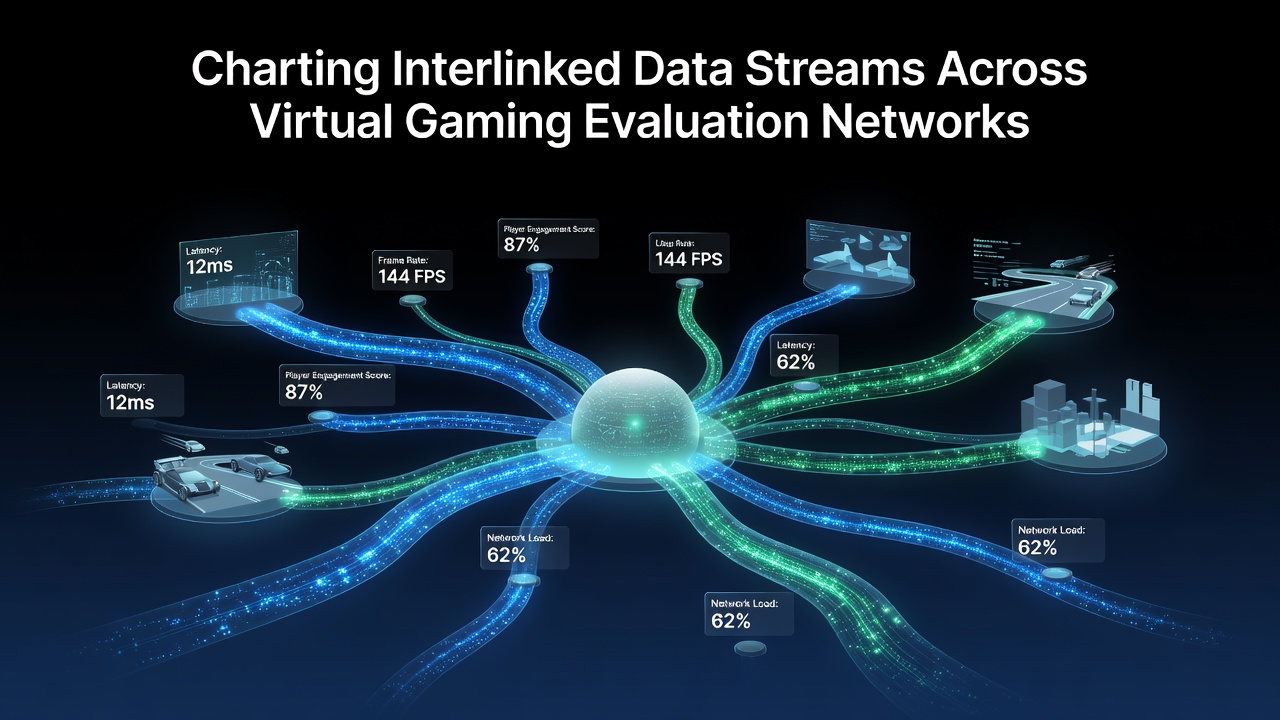
Virtual gaming evaluation networks process multiple data streams that include player metrics, regulatory updates, and performance indicators from online platforms around the world. Researchers map these streams through interconnected systems that allow evaluation tools to track changes across jurisdictions and time periods. Data collection begins at source points such as operator databases and regulatory filings, then flows into centralized hubs where algorithms organize the information into usable formats for analysts and developers.
Data Integration Techniques in Gaming Networks
Experts integrate data from disparate sources by establishing standardized protocols that convert raw inputs into structured records. Systems pull information on game outcomes, user engagement patterns, and compliance records, then align these elements through common identifiers that maintain consistency across platforms. In August 2026 several evaluation networks plan to incorporate new synchronization layers that reduce latency during peak reporting cycles, according to industry reports from the American Gaming Association. These layers connect streams from North American operators with those from European and Asian markets, creating unified views that support cross-border comparisons.
Technicians employ query optimization methods to handle large volumes without overloading central servers. One approach involves partitioning datasets by region and type so that queries retrieve only relevant subsets before merging results. Studies conducted by university research groups show that such partitioning cuts processing times by measurable margins when networks handle simultaneous updates from multiple time zones.
Mapping Connections Through Graph Structures
Graph database structures represent entities such as operators, games, and regulatory bodies as nodes while edges capture relationships like licensing status or revenue sharing agreements. Analysts apply traversal algorithms to identify clusters where certain data patterns recur, revealing how information from one stream influences outcomes in another. This method proves effective for tracing how bonus structures evolve across linked sites because the graph preserves context that flat tables often lose.
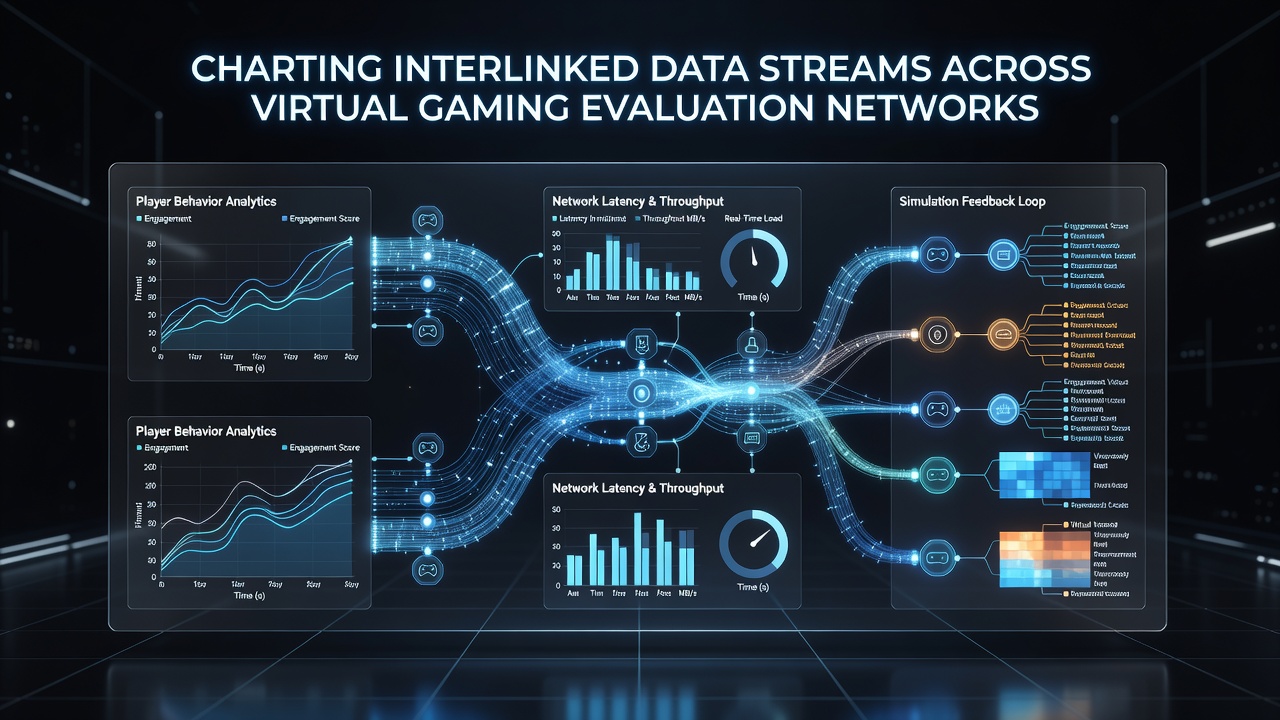
Observers note that graph models accommodate real-time additions without requiring full rebuilds, unlike traditional relational setups. When a new regulatory filing arrives from a Canadian provincial authority, the system adds the corresponding node and recalculates affected edges in seconds. Research from Australian academic institutions demonstrates that these incremental updates preserve query accuracy even as dataset size grows beyond several million records.
Protocol Bridges and Live Content Synchronization
Protocol bridges facilitate adaptive content layers by translating between different data formats used by evaluation platforms and source operators. These bridges handle tasks such as converting XML records into JSON payloads or routing updates through secure channels that meet encryption standards. Developers deploy them to keep directory listings current when operators release revised terms or promotional offers.
Live synchronization relies on event-driven triggers that activate whenever a monitored field changes. A change in payout percentage at one site, for instance, propagates through connected streams so that evaluation scores adjust automatically. Figures from global wagering information networks indicate that this approach maintains data freshness within minutes rather than hours, supporting more responsive decision tools for users and regulators alike.
Challenges in Scaling Network Pathways
Scaling presents difficulties when volume spikes occur during major sporting events or regulatory announcements. Network architects address these by distributing load across regional servers while preserving a unified logical view. They also implement validation routines that flag anomalies such as duplicate entries or mismatched timestamps before the data enters the main graph.
Security considerations require encryption at every transfer point and access controls that limit visibility based on user roles. International data protection regulations influence how streams cross borders, prompting teams to adopt region-specific storage policies that still allow aggregated analysis. Reports from the European Gaming and Betting Association highlight ongoing efforts to standardize these policies across member states.
Conclusion
Charting interlinked data streams across virtual gaming evaluation networks continues to advance through refined integration methods, graph-based mapping, and synchronized protocols. Organizations that maintain these systems gain clearer perspectives on operator performance and regulatory compliance because the architecture preserves relationships among disparate information sources. Continued refinement in August 2026 and beyond will likely focus on reducing latency further and expanding coverage to emerging markets while adhering to evolving data governance requirements.