Charting Blockchain Ledger Applications for Verifying Authenticity Across International Wagering Evaluation Networks
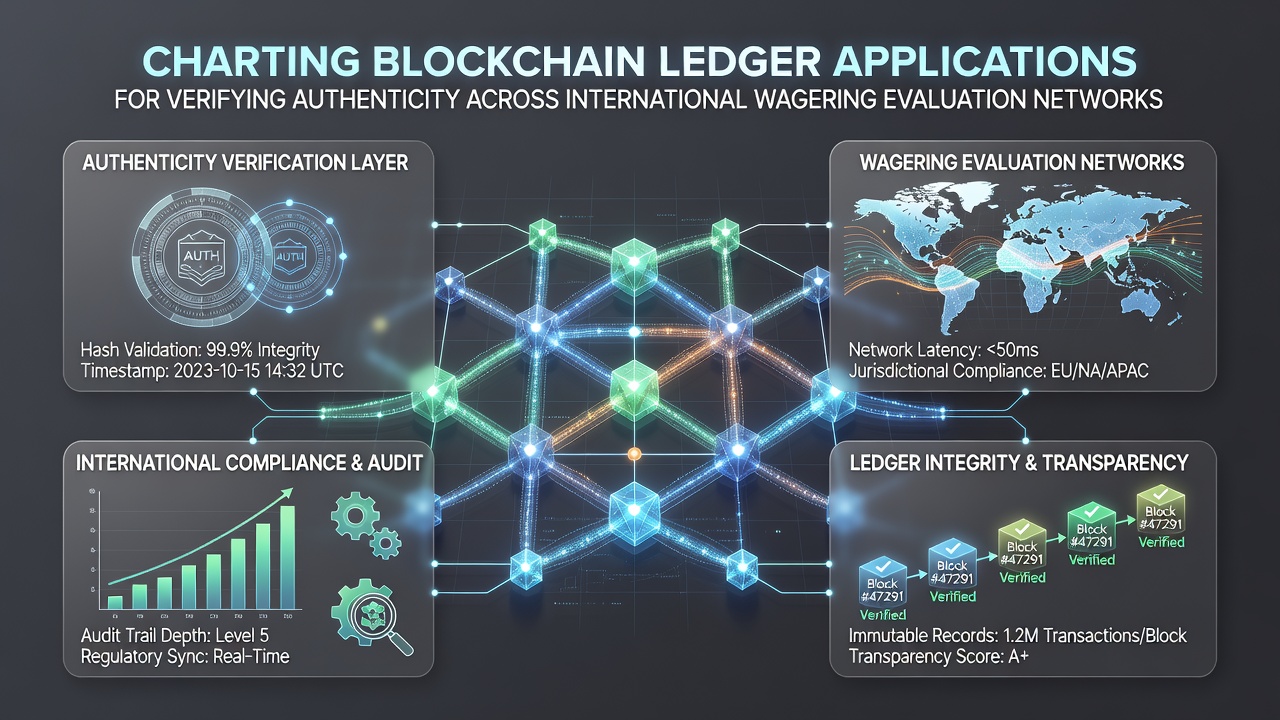
Blockchain ledger systems now underpin verification processes in international wagering evaluation networks where data authenticity must hold across multiple jurisdictions and operators. These distributed ledgers record transactions in sequential blocks linked through cryptographic hashes, which creates tamper-resistant audit trails that evaluation platforms rely on when cross-checking betting outcomes, player identities, and regulatory compliance markers. Observers note that such applications address fragmentation in global gambling data ecosystems by allowing synchronized access without central intermediaries.
Core Ledger Structures Supporting Verification
Public and permissioned blockchain variants both appear in wagering contexts, yet permissioned chains dominate because they restrict node participation to licensed entities while preserving the immutability that public chains provide. Each block contains timestamped entries for bet placements, payout calculations, and identity attestations, and these entries undergo validation through consensus protocols such as practical Byzantine fault tolerance or proof-of-stake variants adapted for enterprise use. Researchers have documented how smart contracts automate rule enforcement, triggering alerts when discrepancies arise between reported results and ledger entries.
Data shows that cryptographic commitments stored on-chain enable third-party auditors to confirm authenticity without exposing sensitive player information, since zero-knowledge proofs allow verification of claims while concealing underlying details. This approach proves useful in networks spanning Europe, Asia-Pacific, and North America where privacy regulations differ sharply.
Cross-Border Data Flows and July 2026 Developments
International wagering evaluation networks aggregate feeds from operators in regulated markets, and blockchain ledgers streamline reconciliation by assigning unique hashes to each data packet. In July 2026 several regulatory bodies across the Asia-Pacific region plan coordinated pilot programs that test ledger interoperability standards developed by academic consortia. These pilots focus on mapping discrepancies in multi-jurisdictional bonus tracking and settlement records.
Figures from recent industry reports indicate that ledger-based verification reduces reconciliation times from days to minutes in controlled test environments, because each participating node maintains an identical copy of the transaction history. Government agencies in Canada and Australia have examined similar frameworks for integrating land-based and online reporting streams.
Mapping Applications Across Evaluation Platforms
One prominent application involves anchoring live betting results to immutable timestamps so evaluation sites can detect delayed or altered feeds from operators. Another centers on player age and identity verification where hashed credentials link to government-issued documents without storing raw data on-chain. Studies from European research institutions highlight how graph-based overlays on blockchain data reveal patterns of suspicious activity across borders by tracing repeated hash linkages.

Academic papers published through university partnerships demonstrate that hybrid architectures combining blockchain with traditional databases improve scalability for high-volume wagering data. In these models the ledger handles verification anchors while off-chain storage manages voluminous transaction details, and periodic Merkle root submissions ensure consistency checks remain feasible.
Regulatory and Technical Integration Patterns
Regulatory bodies such as the Nevada Gaming Control Board and the Malta Gaming Authority have reviewed ledger-based reporting requirements in consultation with operators. These reviews emphasize standardized data schemas that allow ledgers to interface with existing compliance dashboards. Technical working groups continue to refine protocols for cross-chain messaging so that a verification event recorded on one network can trigger corresponding entries on another without manual intervention.
Evidence from pilot deployments reveals that latency remains a constraint when networks span distant geographic regions, yet layer-two scaling solutions and regional validator clusters mitigate delays. Industry associations including the European Gaming and Betting Association have published interoperability guidelines that reference these technical adjustments.
Conclusion
Blockchain ledger applications continue to expand their role in verifying authenticity across international wagering evaluation networks through immutable records, automated smart contracts, and cryptographic verification methods. Coordinated efforts scheduled for July 2026 and ongoing work by regulatory bodies and research institutions indicate sustained development of these systems, with focus remaining on interoperability, privacy preservation, and scalable data handling.